Iran Challenged Saudi Jets… Now Tehran Has ORDERED A Retreat
The Treasury Threat and the 48-Hour Ultimatum: Inside the Chaos of the 2026 Gulf War
WASHINGTON — In a world already reeling from high-altitude bunker busters and the assassination of high-ranking Iranian officials, the conflict has entered a surreal new chapter. The Iranian regime, increasingly cornered and erratic, has issued a “final notice” that doesn’t just target the Pentagon—it targets the very backbone of the global financial system.
As the smoke clears from a month of devastating air strikes, a new “civilian” leadership in Tehran has surfaced with a chilling message for the world’s superpowers: Your investment portfolios are now legitimate military targets.
“Purchase a Strike on Your Head”: Iran’s War on Global Finance
The latest escalation didn’t come from a missile silo, but from the mouth of the Speaker of the Iranian Parliament, now the de facto civilian face of a regime whose top leadership has been decimated. In a move that left analysts in Beijing and Tokyo stunned, the Speaker declared that any entity financing the U.S. military budget—specifically holders of U.S. Treasury bonds—is now a “legitimate target.”
“U.S. Treasury bonds are soaked in Iranian blood,” the Speaker proclaimed. “Purchase them and you purchase a strike on your headquarters and assets. We monitor your portfolio.”
The Beijing Paradox
The threat highlights a massive strategic blunder in Tehran’s retaliation plan. The top three holders of U.S. Treasuries are Japan, China, and the United Kingdom. While London and Tokyo have condemned Iran’s actions, China has been Iran’s primary economic lifeline, purchasing nearly 90% of its oil and providing the very anti-ship missiles currently being used in the Gulf.
“Beijing must be looking at these statements with absolute disbelief,” said one senior maritime analyst. “Threatening to bomb your only remaining customer and weapons supplier is not a strategy; it’s a symptom of a regime in a state of total cognitive collapse.”
Desalination Wars: The Terror Against the Islamic World
While the rhetoric flies in Tehran, the targets on the ground have taken a dark, civilian turn. President Trump recently issued a stark ultimatum: Open the Strait of Hormuz or the U.S. will begin systematic strikes on Iranian power plants.
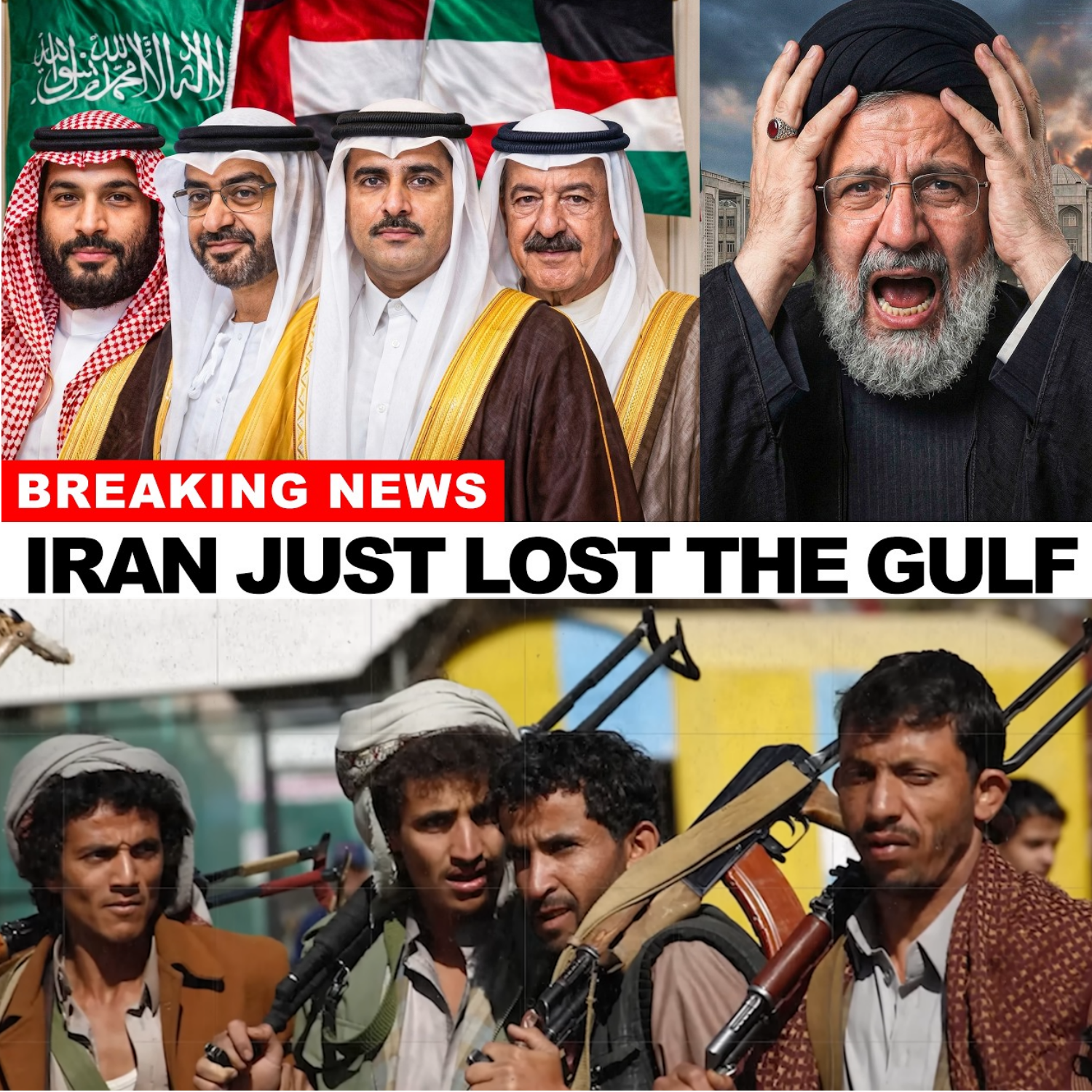
Iran’s counter-threat has horrified its neighbors. Tehran announced that for every Iranian power plant hit, they would destroy desalination and water treatment plants in Saudi Arabia, the UAE, Kuwait, Jordan, Bahrain, and Qatar.
“You Negotiate with Terrorists. We Eliminate Them.”
This shift toward targeting civilian survival infrastructure has stripped away any remaining diplomatic cover for the regime. For decades, the media has avoided the word “terrorism” to describe state actions. That changed this week when Gulf officials broke their silence.
“We will never be blackmailed by terrorists,” declared the Dubai Foreign Minister. Even more blunt was a senior advisor to the UAE President: “In the UAE, we don’t negotiate with terrorists. We ban them. We eliminate them. To Washington, to NATO, to Israel: Do whatever you need to do. The Islamic regime must go.”
Saudi Arabia’s Foreign Minister added weight to this unified front, pointing out the hypocrisy of Iran’s “Islamic” slogans. “Supporting militias that hijack Iraqi politics, assassinating Lebanese politicians, and now threatening the water supply of millions of Muslims? These tools serve only Iranian interests, not the ideals they claim to defend.”
The “Warrior” Move: Saudi Arabia Prepares to Strike
Perhaps the most significant development of the week is Saudi Arabia’s shift from passive observer to potential combatant. Riyadh has reportedly informed Washington that if a single Saudi water plant is touched, Saudi Arabia will officially join the air campaign, launching its own strikes against Iranian territory.
This “red line” has already yielded results. Intelligence reports suggest Iran has quietly limited its strikes on Saudi territory, terrified of a direct military confrontation with the Kingdom. “They are losing a leader a week,” a Pentagon source noted. “They cannot afford to open a front with the strongest Arab military in the region.”
The Trump Ultimatum: A Surprising 5-Day “Pause”
As the 48-hour deadline for the Strait of Hormuz to open approached its Monday night expiration, President Trump made an impromptu announcement at 6:00 a.m. Eastern Time—just as the global markets were preparing to open.
“I have instructed the Department of War to postpone any and all military strikes against Iranian power plants and energy infrastructure for a 5-day period,” Trump stated, citing “productive conversations” with a “top person” in Tehran.
Reading Between the Lines: A Market-Driven Strategy?
Skeptics were quick to point out the timing. The pause lasts exactly five days—the duration of the trading week. By signaling a potential de-escalation, the administration effectively stabilized oil prices, which had been threatening to bankrupt Western transport sectors.
Crucially, Trump clarified that this pause only applies to energy infrastructure. The broader “Epic Fury” campaign—targeting missile sites, drone factories, and leadership bunkers—remains in full force.
The Mystery Man: Who is Running Iran?
When pressed on who the U.S. is actually talking to, Trump’s answer was telling of the current chaos within Tehran: “Don’t forget, we’ve wiped out the leadership Phase 1, Phase 2, and largely Phase 3… nobody’s exactly looking forward to being the head of that particular country right now.”
The “Ghost” of the Supreme Leader
Reports have swirled regarding Mojtaba Khamenei, the son of the late Supreme Leader. “Nobody has heard from the son,” Trump remarked. “We don’t know if he’s living.”
Instead, it appears the U.S. envoys, Steve Witkoff and Jared Kushner, are operating through intermediaries in Turkey, Egypt, and Pakistan to speak with the Speaker of the Parliament, Mohammad Bagher Ghalibaf.
The Incentive Gap: Why the Mixed Messages?
The current media landscape is a hall of mirrors. While Trump speaks of “perfect” negotiations, the Iranian Foreign Ministry has issued flat denials that any talks are happening at all.
This conflict of information is a classic case of geopolitical incentives:
The U.S. Incentive: Washington wants the talks to be public. Public knowledge of negotiations drives oil prices down and creates internal pressure on the Iranian regime.
The Iranian Incentive: Tehran needs the talks to be secret. High oil prices are their only remaining leverage. If their hardline base—and their few remaining proxies—perceive them as “surrendering” to Trump and Kushner, the regime could face a final, internal collapse.
Conclusion: A Region on the Brink
As the 5-day pause begins, the world holds its breath. The Strait of Hormuz remains a graveyard of tankers, and the “Sky Fortress” of Ukrainian drone hunters continues to vaporize Iranian suicide drones over the Gulf.
Whether the Islamabad talks lead to a “complete and total resolution” or just provide a brief window for both sides to re-arm remains to be seen. But one thing is clear: The Iranian regime’s attempt to hold the world’s bond market hostage has backfired, uniting the West, the Arab world, and even confusing its allies in the East.
The clock is ticking. In five days, the “Department of War” may very well receive the order to turn the lights out in Tehran permanently.
News
Saudi Did Something to END Iran’s TERROR… Even the U.S. Didn’t Expect This
The Saltwater Ultimatum: Inside the 48-Hour Countdown to a Regional Blackout THE PERSIAN GULF — The silence of the desert has been replaced by the low, rhythmic hum of American…
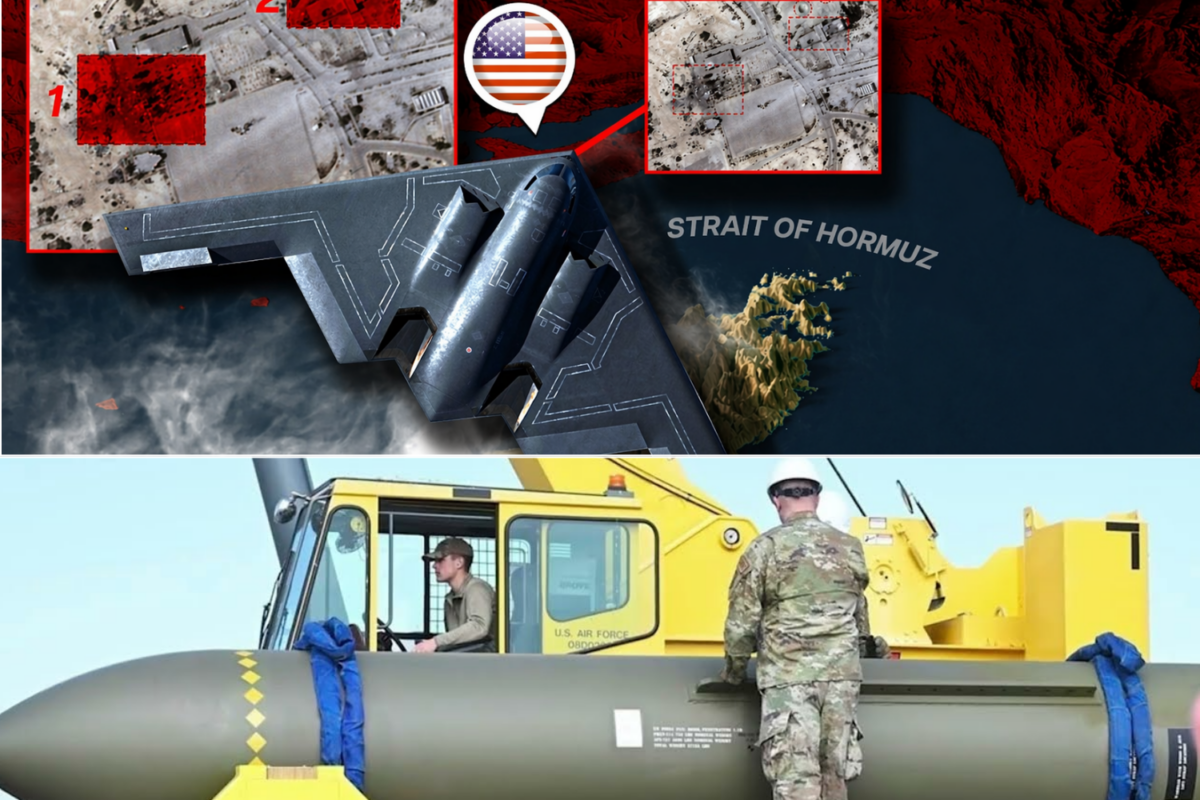
U.S. Just Discovered Iran’s BIGGEST Underground Secret… Then the B-2 BOMBER Did THIS…
Under the Mountain: Inside the High-Stakes Air War Decimating Iran’s “Missile Cities” THE PERSIAN GULF — On the night of March 17, 2026, the southern coastline of Iran didn’t just…
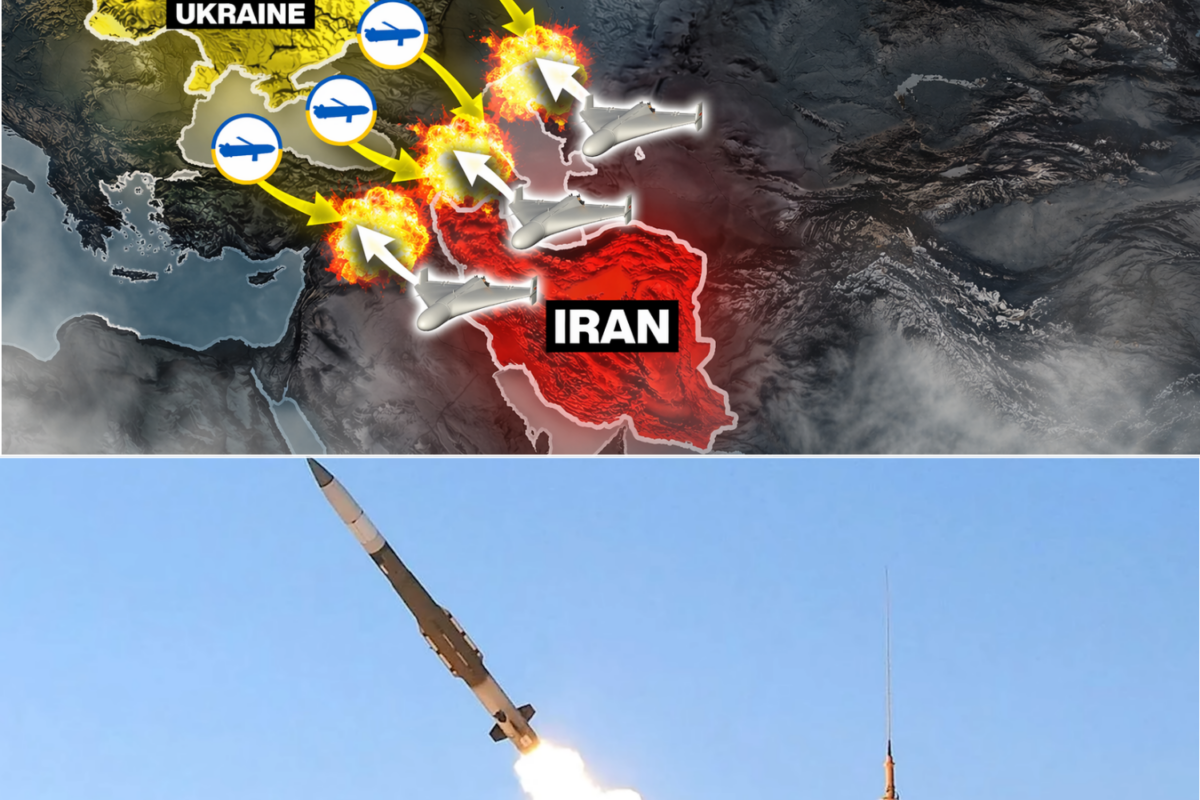
Ukraine Just Made Iranian Drones USELESS
The Sky Fortress: How Ukraine’s Drone Hunters Are Saving the Middle East from Putin’s Betrayal THE PERSIAN GULF — In the high-stakes theater of the 2026 Middle East conflict, an…
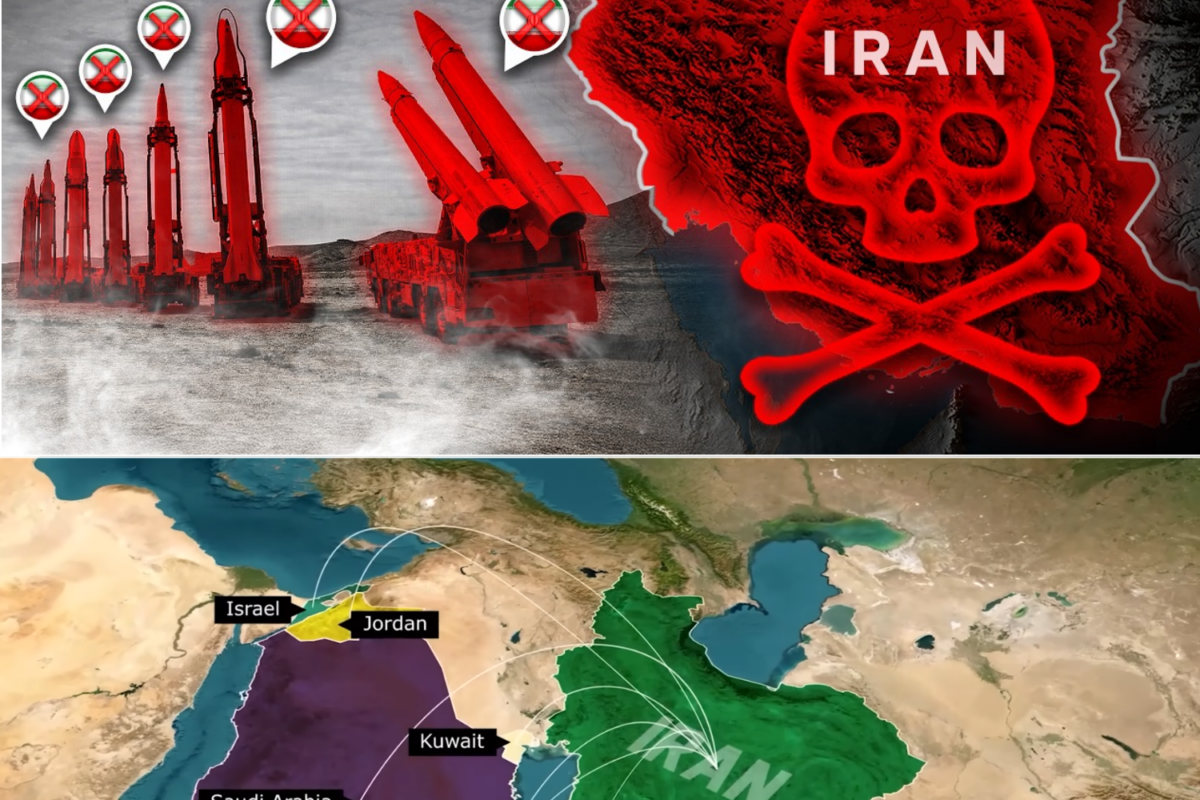
US Just Did Something so OUT OF THIS WORLD… Iran’s Entire Missiles Stockpile EVAPORATED
The Islamabad Gambit: Inside the High-Stakes Secret Peace Talks to End the Gulf War ISLAMABAD — In the shadowed corridors of a neutral villas in Pakistan’s capital, the future of…
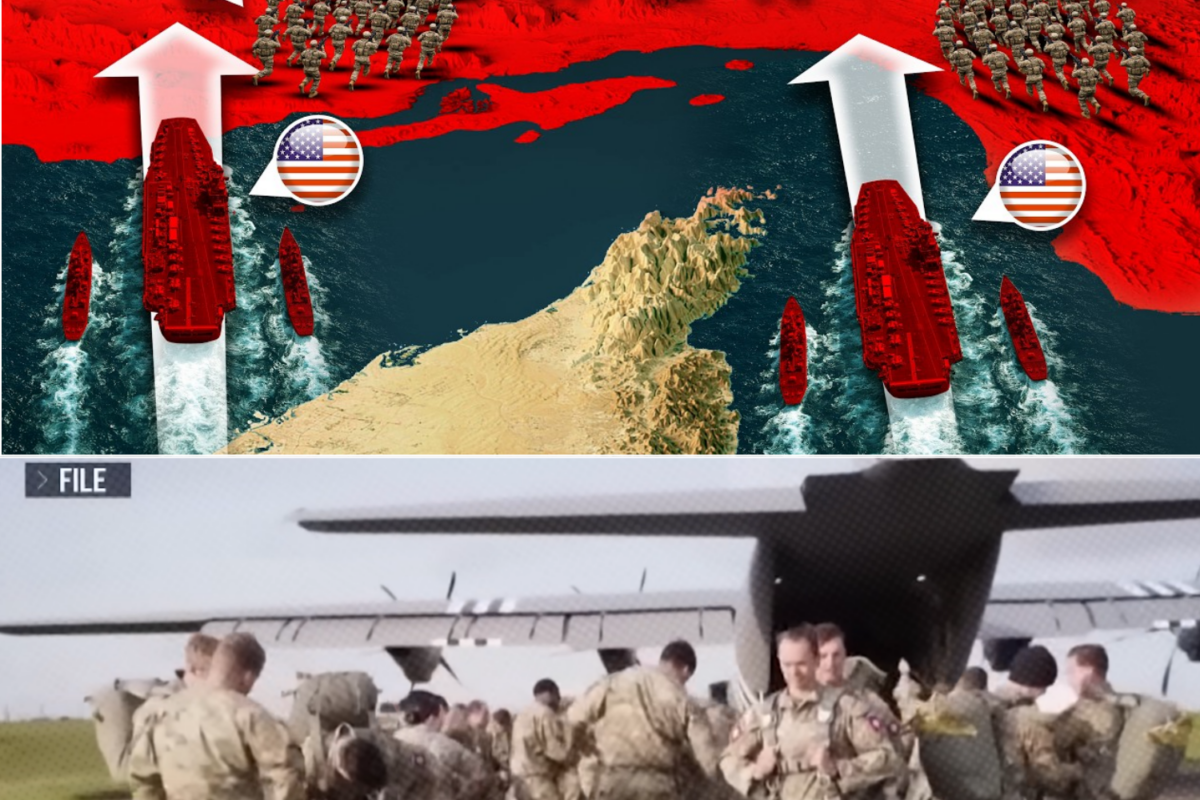
Iran HIT Strait of Hormuz… U.S. Marines About to Do Something WAR-ENDING!
The “Immediate Response”: Paratroopers and the Tip of the Spear The speed of the buildup is a testament to the “Immediate Response Force” (IRF). Within a mere 18 hours, 2,000…
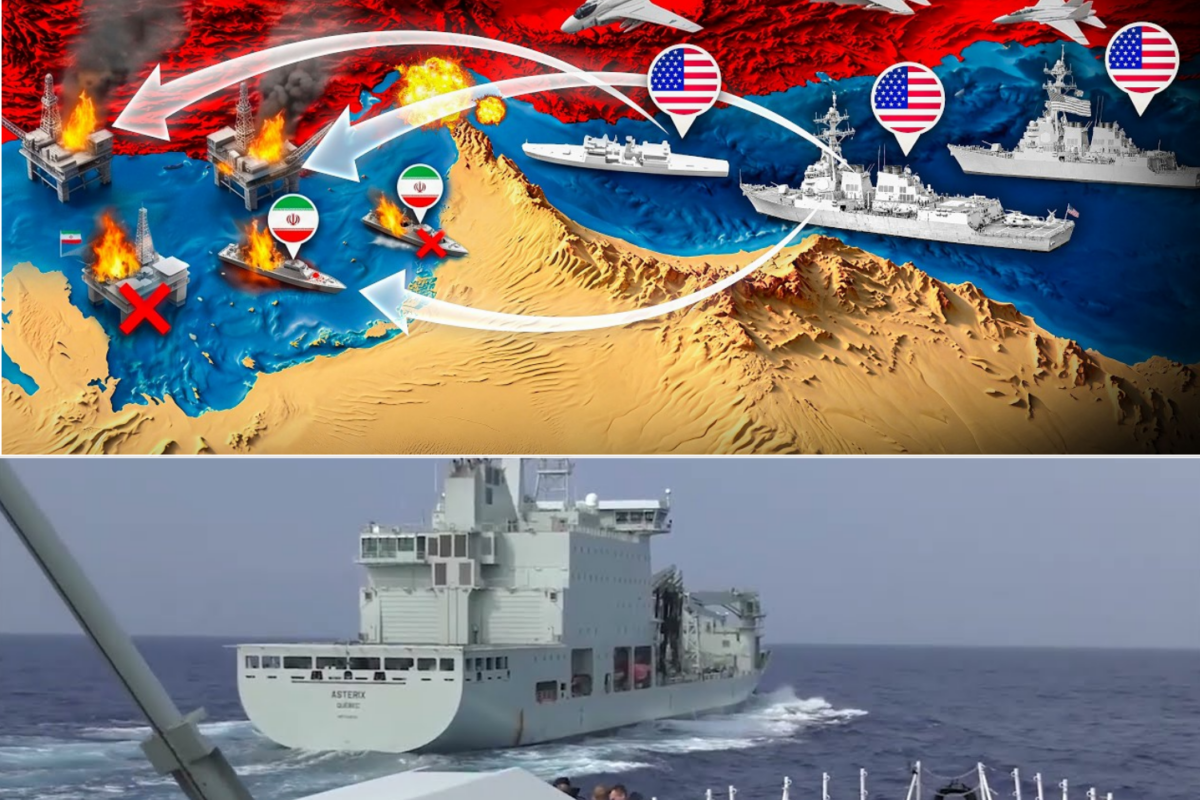
Iran HIT US Warship… US Navy Revenge Was INSTANT and BRUTAL!
Proportional Response: How the US Navy Dismantled Iran’s Fleet in a Single Afternoon THE PERSIAN GULF — It is a lesson in military history that remains etched in the salt-crusted…
End of content
No more pages to load