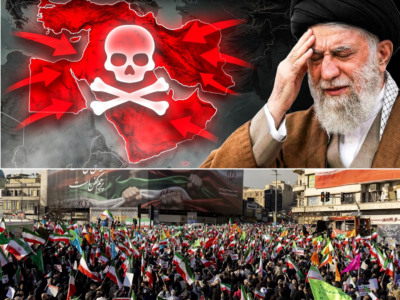
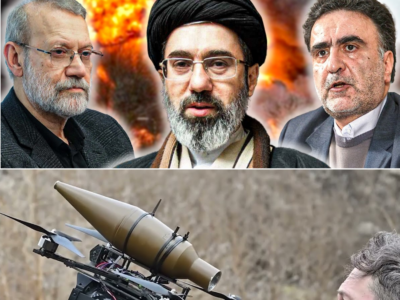
Something Big Just EXPLODED in Middle East… And It Will FINISH Iran
The Saltwater Kingdoms: Inside the Terrifying Prospect of the World’s First Total Water War
MANAMA, Bahrain — For five decades, the world has looked at the Persian Gulf and seen one thing: oil. It is the lifeblood of global markets, the fuel for the mental playbooks of every major economy. But on the morning of March 8, 2026, a single Iranian drone flying low over the turquoise waters of the Gulf didn’t target a refinery or a tanker. It struck a desalination plant.
In that moment, the calculus of the “Ramadan War” shifted from a battle over energy to a fight for biological survival.
Across the Arabian Peninsula, nearly 60 million people live in what historians call “Saltwater Kingdoms”—civilizations built on the edge of the world’s most barren coastlines, kept alive solely by a fossil-fueled industrial miracle. There is no strategic reserve for water. There are no futures markets to hedge against thirst. In the Gulf, when the taps run dry, life ends in 72 hours.
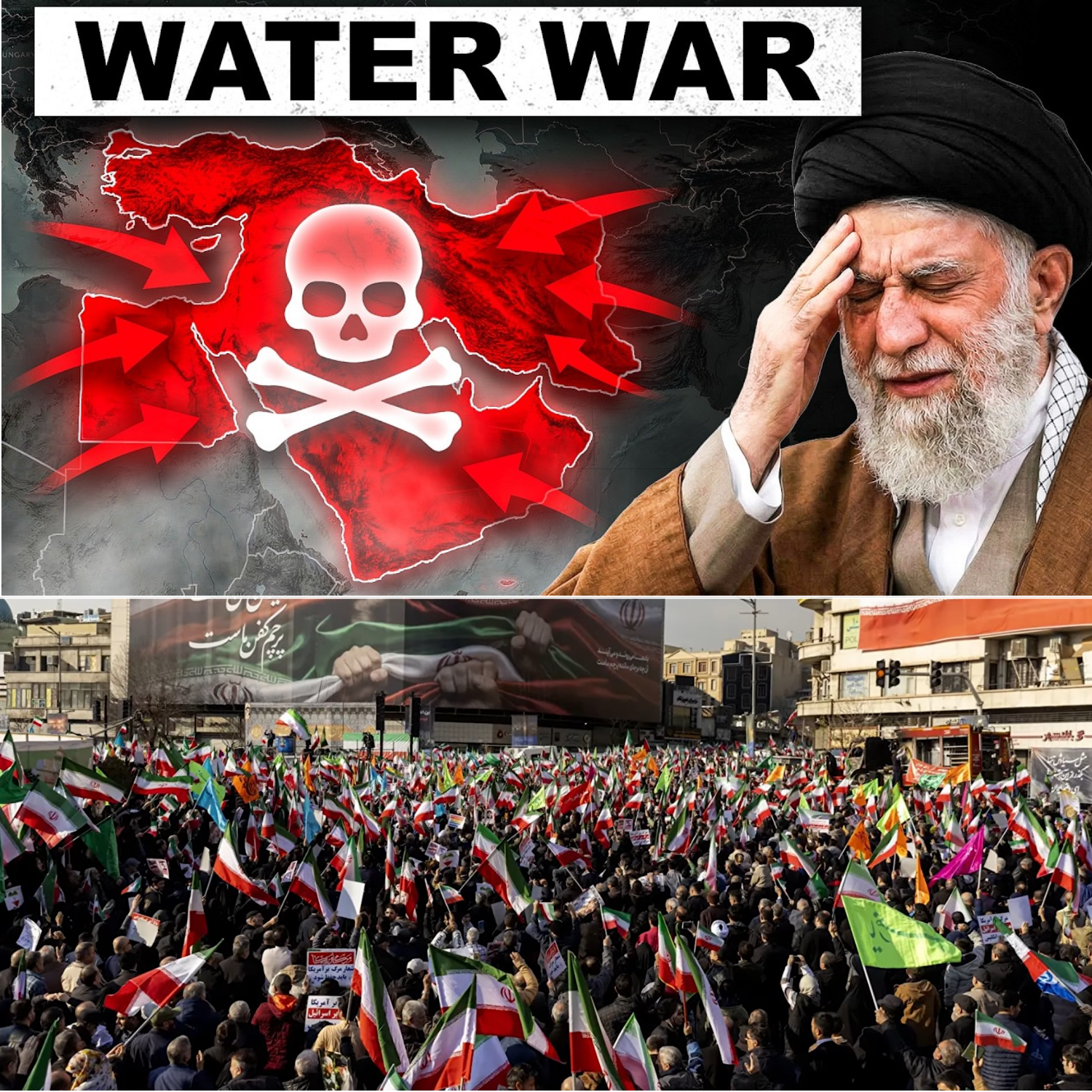
The Achilles’ Heel: Why Water is More Lethal Than Oil
The geography of the Gulf is a paradox. It holds the world’s greatest concentration of energy wealth, yet it is one of the driest places on Earth. Saudi Arabia, Kuwait, Qatar, and Bahrain have no major rivers. Their ancient aquifers have been pumped to the point of collapse.
To survive, these nations spent trillions of dollars building more than 400 coastal desalination plants. According to the Arab Center in Washington D.C., these states produce 40% of the world’s desalinated water.
Kuwait: 90% dependent on desalination for drinking water.
Oman: 86% dependent.
Saudi Arabia: 70% dependent.
“These countries have no drought contingency plan,” says Michael Christopher Lowe, director of the Middle East Center at the University of Utah. “They have fossil-fueled water superpowers. If you break the machines, you evaporate the civilization.”
March 8: The Line Iran Just Crossed
While the world was distracted by the potential for a strike on the Burj Khalifa, the reality of the war hit the Doha West desalination plant in Kuwait and the Fujairah F1 complex in the UAE. Initially, these were dismissed as “debris from intercepted drones.”
But then, on March 7, Tehran’s Foreign Minister posted a chilling warning on X. He claimed a U.S. strike had hit a desalination plant on Qeshm Island, cutting water to 30 villages. He called it a “precedent.”
The very next morning, Bahrain—an island nation with zero natural aquifers—confirmed a direct hit on one of its 103 desalination plants.
The Jubail Crisis: A Saudi Nightmare
The most terrifying vulnerability lies in Jubail, the Saudi facility that provides 90% of Riyadh’s drinking water through a single, 500km pipeline. A classified 2008 U.S. cable made public by WikiLeaks warned that if Jubail were destroyed, the Saudi capital would have to be evacuated within a week.
“The current structure of the Saudi government cannot exist without Jubail,” the cable stated. Eighteen years later, with 14 million more people to feed, that vulnerability has only grown.
Qatar’s $4 Billion Seven-Day Buffer
Qatar, a small peninsula with no groundwater, recently spent $4 billion on the world’s largest water storage project: 15 massive concrete reservoirs. The goal? To increase their national buffer from three days of water to seven.
“Seven days,” notes environmental researcher Nasir Al-Saied. “That is the ceiling of their survival. If the Strait of Hormuz is closed and the plants are dark, the clock starts ticking at 168 hours.”
The UAE has fared better, building a 45-day reserve. However, during the second week of fighting, the UAE intercepted 113 out of 117 drones in a single day. “It only takes one to get through,” Al-Saied warns. “One missile for one catastrophic water war.”
The Iranian Mirror: A Nation Already Running Dry
The irony of Iran’s strategy is that they are fighting a water war while their own country is literally sinking.
Lake Urmia, once the Middle East’s largest lake, has vanished into a salt flat. NASA satellite imagery shows a 90% loss in volume. Tehran’s reservoirs are sitting at 10% capacity after five years of relentless drought.
Moving the Capital?
In November 2025, President Pezeshkian warned that if the rains didn’t come, Tehran would need water rationing. By January 2026, weeks before the war, Iran announced plans to relocate its capital to the Makran coast—a project costing up to $100 billion—simply to be near the sea for desalination.
“Iran understands what it means to be thirsty,” says a CSIS analyst. “They are weaponizing a nightmare they are living through every day.”
Humanitarian Law vs. Desperate Regimes
Under Article 54 of the Geneva Conventions, attacking drinking water installations is a war crime. The Rome Statute of the International Criminal Court is clear: intentional strikes on civilian water infrastructure constitute a violation of international law.
But the Islamic Republic, which has executed thousands of its own citizens in the streets, has shown little regard for the “rules of war.” In 1991, retreating Iraqi forces sabotaged Kuwait’s water capacity and dumped oil into the Gulf to clog intakes. Today, with tens of millions more people and a far more complex economy, a similar disruption would be an order of magnitude more lethal.
Conclusion: The New Playbook of Thirst
The world has spent 50 years modeling what happens when the oil stops. We have strategic reserves, alternate energy sources, and global task forces for energy security.
But as the drones circle the desalination plants of Bahrain and Kuwait, we are discovering that we have no model for what happens when the water stops. You can’t drink oil, and you can’t trade for water that doesn’t exist.
If the “Saltwater Kingdoms” lose their industrial lifeline, the resulting migration and humanitarian collapse will make every previous conflict in the Middle East look like a minor skirmish. The real weapon of the 2026 war isn’t the missile—it’s the empty tap.
News
Tehran IN FLAMES as Iran Pushes to “Surrender”—US HITS Iran’s Capital with Surprising Drone STRIKE
The Hunter Becomes the Hunted: Inside the Drone War Transforming the Streets of Tehran TEHRAN — For decades, the Islamic Republic of Iran banked its regional survival on the “swarm.”…
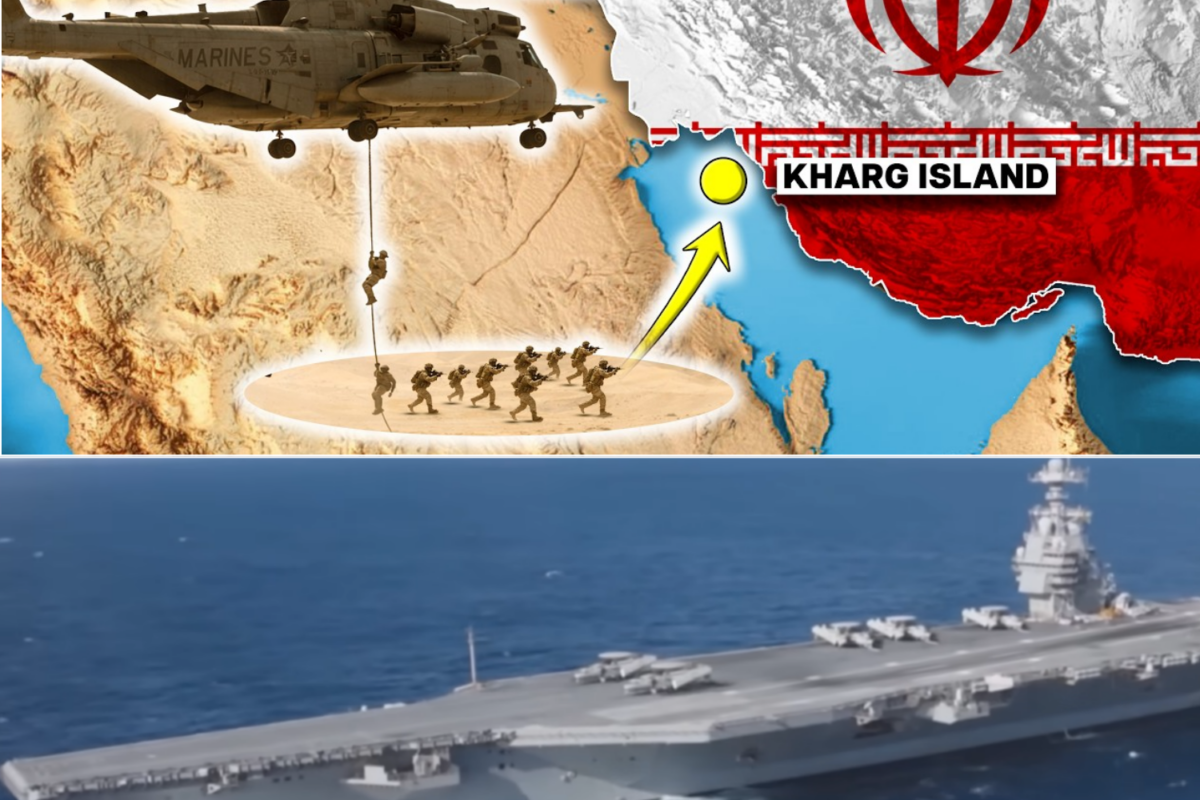
Iran Hit Aramco — Then US Marines Crossed the Line Nobody Expected
Target: Kharg Island—Inside the Plan to Seize the Islamic Republic’s Financial Heart PERSIAN GULF — The silence of the dawn over the northern Persian Gulf was not broken by waves,…
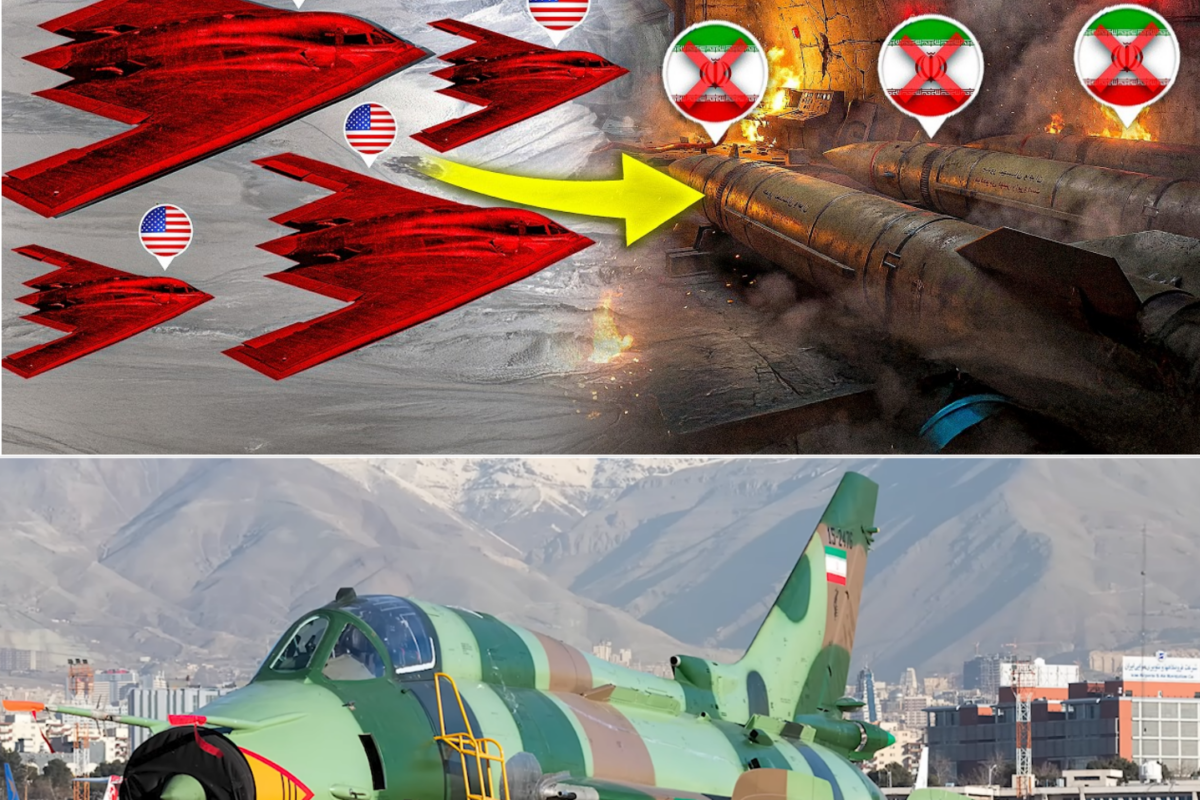
US B-2 Bomber Drops 30,000lb Bunker Buster on Iran Missiles Factory
The Gavel of God: Inside the B-2 Stealth Missions Dismantling the Iranian Regime TEHRAN — The sky over the Alborz Mountains did not scream; it simply vanished. In the early…
Iran’s NEW Supreme Leader Is Hiding Something MASSIVE
The Prince of Shadows: Inside the $3 Billion Global Real Estate Empire of Iran’s New Supreme Leader LONDON — On Bishop’s Avenue, a stretch of North London known as “Billionaires’…
Israel Just Did Something so OUT OF THIS WORLD… Iran’s Entire Leadership EVAPORATED
The Shadow Leader’s Final Rally: Inside the High-Stakes Assassination of Ali Larijani TEHRAN — For a man who lived in the shadows of the Islamic Republic, Ali Larijani’s end was…
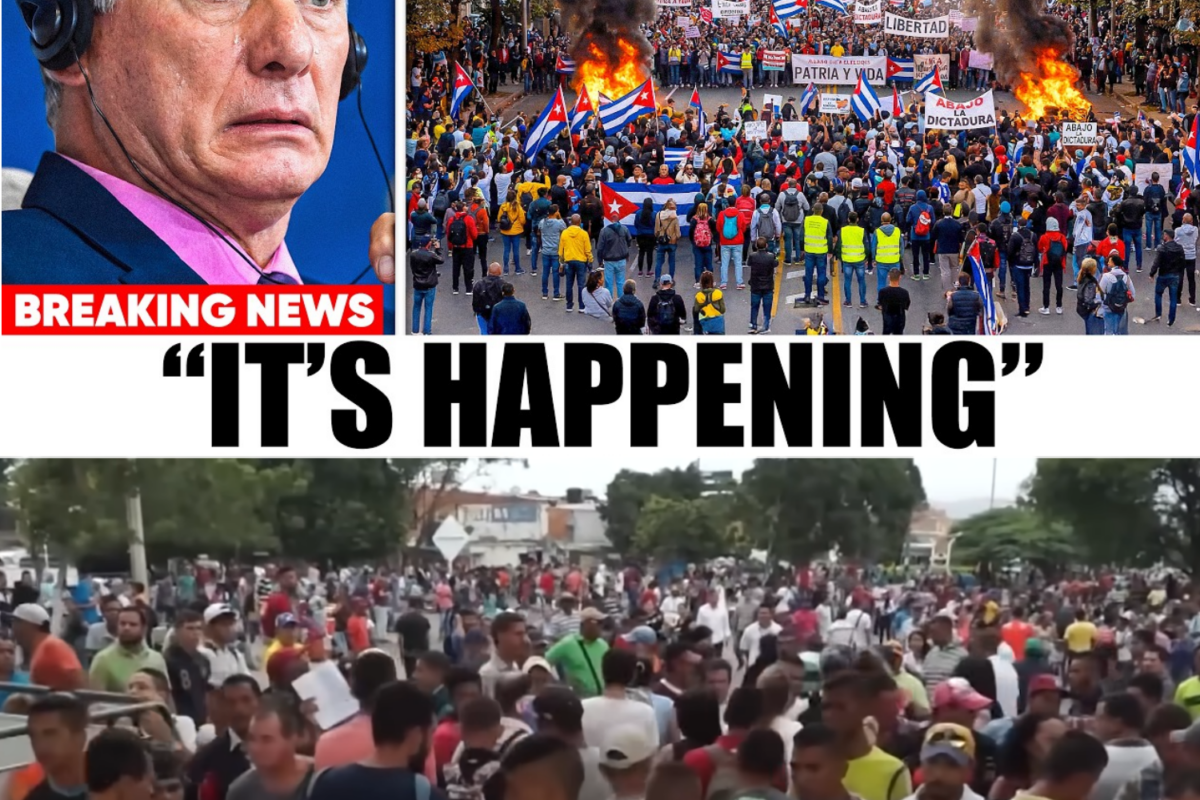
Cuba Regime COLLAPSES: Protesters HIT Cuba’s Capital with Surprising CLASH
The Last Blackout: How a Ghost of the Soviet Past and the Fall of a Venezuelan Patron are Ending the Cuban Revolution HAVANA — The revolution is no longer televised….
End of content
No more pages to load