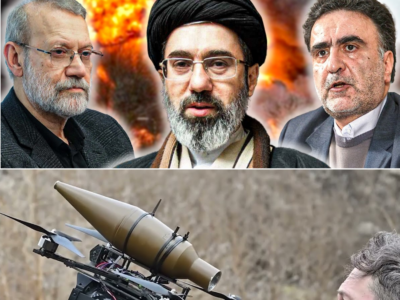
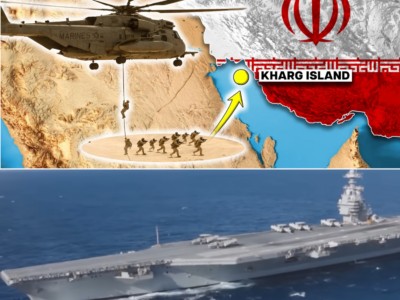
Iran’s NEW Supreme Leader Is Hiding Something MASSIVE
The Prince of Shadows: Inside the $3 Billion Global Real Estate Empire of Iran’s New Supreme Leader
LONDON — On Bishop’s Avenue, a stretch of North London known as “Billionaires’ Row,” the mansions are shielded by ten-foot gates and thick layers of ivy. Here, the silence is expensive. But according to a trail of shell companies and offshore bank leaks, this street of golden stone holds one of the most explosive secrets of the 2026 Ramadan War.
While the newly appointed Supreme Leader of Iran, Mojtaba Khamenei, broadcasts messages of “holy resistance” and “death to the West” from a bunker in Tehran, his financial fingerprints are all over the luxury real estate markets of the very cities he vows to destroy.
Investigators now estimate that Mojtaba has constructed a secret property empire valued at over $3 billion. From luxury apartments overlooking the Israeli Embassy in Kensington to five-star hotels in Frankfurt, the “Prince of Shadows” has turned the stolen wealth of the Iranian people into a global safety net.
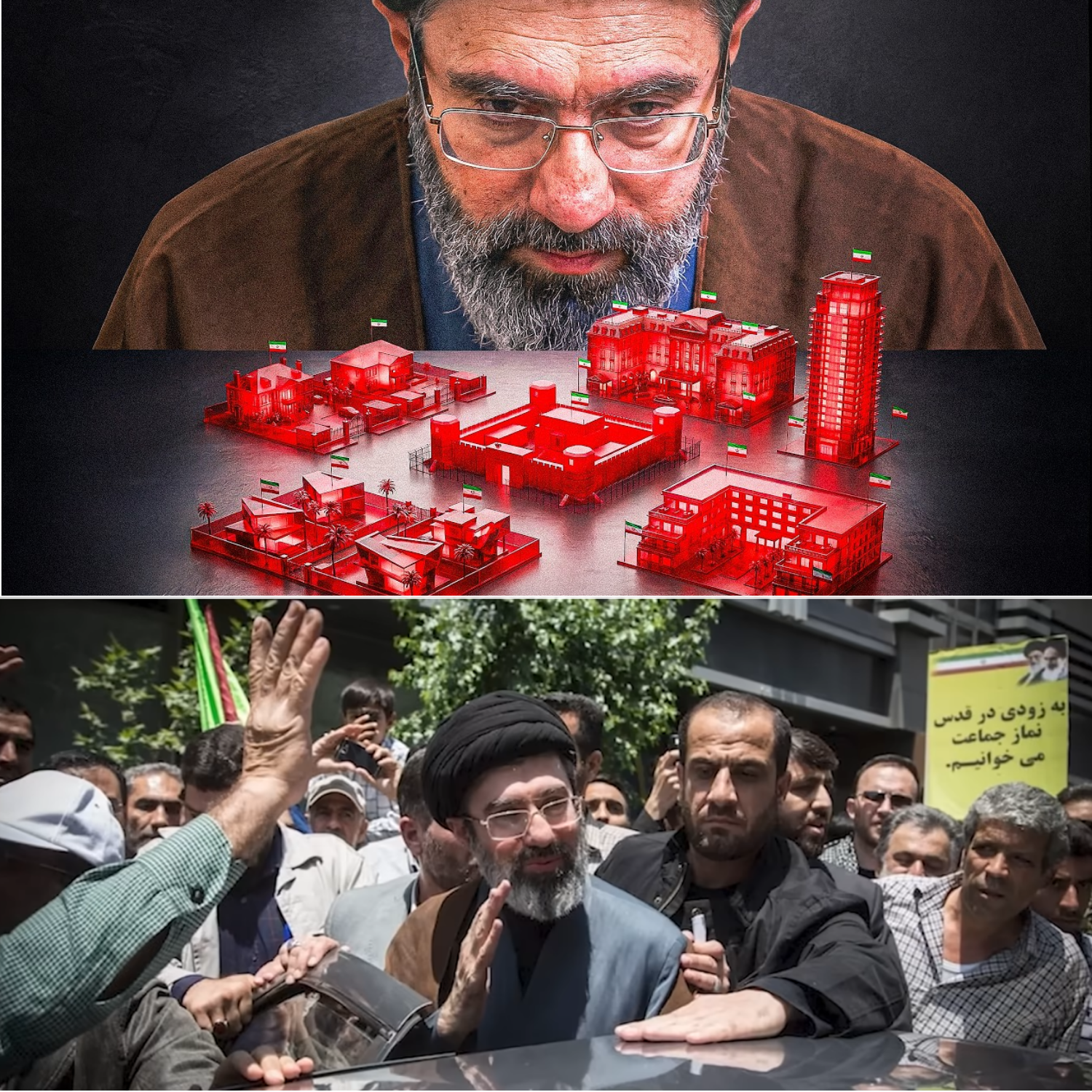
The Rise of a Shadow Heir: From Cleric to Mogul
Born in Tehran in 1969, Mojtaba Khamenei is the second son of the late Ali Khamenei, who died in a devastating precision strike on February 28, 2026. For decades, Mojtaba was a ghost. He avoided cameras, gave no interviews, and operated within the “power factories” of religious seminaries.
However, these seminaries were merely a front for his real education: the fusion of theological authority with the business might of the Islamic Revolutionary Guard Corps (IRGC).
The IRGC is not just a military; it is a conglomerate that controls:
Construction & Telecoms: Dominating national contracts.
Energy & Shipping: Managing oil exports through “dark fleet” tankers.
Banking & Smuggling: Controlling the flow of hard currency.
By the late 2000s, Mojtaba was the IRGC’s preferred interlocutor. When the 2009 Green Movement threatened the regime, insiders say Mojtaba was the one pulling the strings behind the brutal crackdown. Today, at 56, he has traded his father’s robes for the mantle of Supreme Leader—a succession many Iranians decry as the birth of a new “Khamenei Dynasty.”
The London Laundromat: Storing Wealth in the Heart of Britain
How does the son of an anti-Western cleric buy up half of London without anyone noticing? The answer lies in the “Global Laundromat.”
London’s real estate laws have long allowed overseas companies to purchase property without revealing the “Beneficial Owner.” Mojtaba’s network took full advantage of this loophole. None of the properties are in his name. Instead, they are tangled in a web of shell companies registered in Cyprus, the Isle of Man, and the British Virgin Islands.
The Kensington Oversight
Perhaps the most brazen example of this hypocrisy involves two luxury apartments in Kensington Palace Gardens. Bought for a combined £35 million and now worth over £50 million, these units sit a mere 50 meters from the Israeli Embassy.
“Imagine the irony,” says one financial investigator. “He is chanting for the destruction of Israel while his assets are literally looking down into the back garden of their embassy.”
A Global Portfolio: Hotels, Ski Resorts, and Crypto
Mojtaba’s empire is not limited to the UK. Financial probes have traced a staggering €400 million European network that includes:
Frankfurt: The Hilton Frankfurt Gravenbruch, a five-star hub near the airport.
Mallorca: A luxury resort and a private golf course.
Austria: A high-end ski resort used by regime elites.
Germany: A suburban shopping center generating millions in monthly rent.
As the 2026 conflict intensified, the movement of money became even more frantic. Sources familiar with IRGC economic activities report that in a single 48-hour window this March, $1.5 billion was transferred out of Iran via cryptocurrency to Dubai. This digital exodus ensures that even if the regime falls, the Khamenei family remains one of the wealthiest dynasties on earth.
The Intermediary: Who is Ali Ansadi?
Every shadow mogul needs a “front man.” For Mojtaba, that man is reportedly Ali Ansadi. An Iranian businessman whose name appears on dozens of corporate filings and property deeds, Ansadi acts as the legal buffer. He signs the paperwork and manages the visible side of the deals, while the real authority remains in Tehran.
By using intermediaries like Ansadi, Mojtaba creates “plausible deniability.” If a government freezes an account, the paperwork points to a businessman, not the Supreme Leader.
The Human Cost: A Tale of Two Irans
The contrast between Mojtaba’s $3 billion portfolio and the reality on the ground in Tehran is nothing short of gut-wrenching.
As of late April 2026, the Iranian economy is in a state of cardiac arrest:
The Blackout: Power outages now stretch to eight hours a day. Children are forced to do their homework by the light of a single candle.
Hyper-Inflation: Oil prices have jumped 25% due to infrastructure damage, but the revenue isn’t going to the people—it’s going to the shadow accounts.
The Bread Lines: Basic goods have vanished from shelves, and frozen bank accounts have left families unable to buy even the most essential medicine.
“The regime asks us for ‘holy patience’ while they buy villas in Mallorca,” says an activist in Mashhad. “They tell us to hate the West while they use Western banks to hide our stolen oil money.”
The Global Leverage: Can the World Freeze the Flame?
For years, the West has relied on oil sanctions to pressure Tehran. But as Mojtaba’s empire shows, those sanctions are easily circumvented through shadow fleets and “dark” ship-to-ship transfers.
Policymakers in Washington and London are now arguing for a shift in strategy. Instead of just targeting oil, they want to target the real estate.
Transparency: Forcing London shell companies to reveal their true owners.
Asset Seizure: Freezing the billions parked in the UK, Spain, and Germany.
Crypto Tracking: Sanctioning the exchanges in Dubai that facilitate the regime’s wealth flight.
Targeting these properties would do more than embarrass Mojtaba; it would strike at the “arteries of power” that keep the IRGC loyal. If the commanders realize their foreign nest eggs are no longer safe, their loyalty to the new Supreme Leader may begin to evaporate.
News
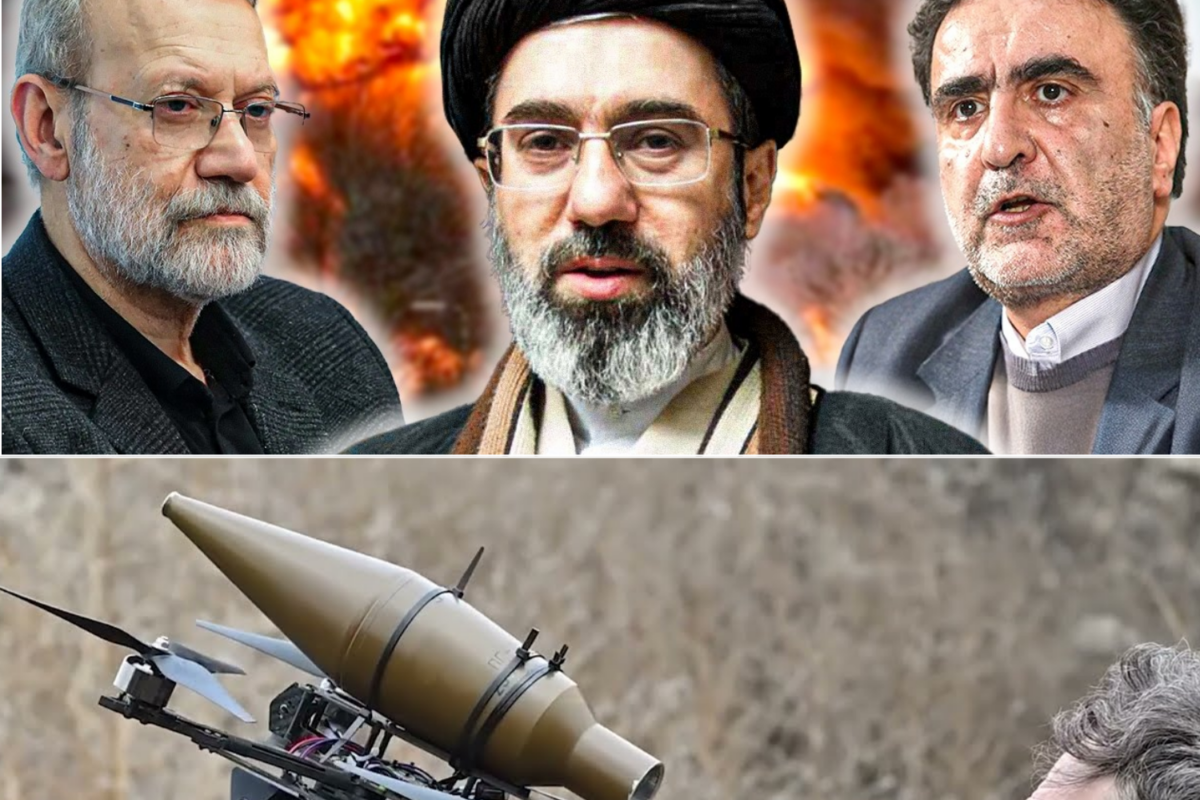
Tehran IN FLAMES as Iran Pushes to “Surrender”—US HITS Iran’s Capital with Surprising Drone STRIKE
The Hunter Becomes the Hunted: Inside the Drone War Transforming the Streets of Tehran TEHRAN — For decades, the Islamic Republic of Iran banked its regional survival on the “swarm.”…
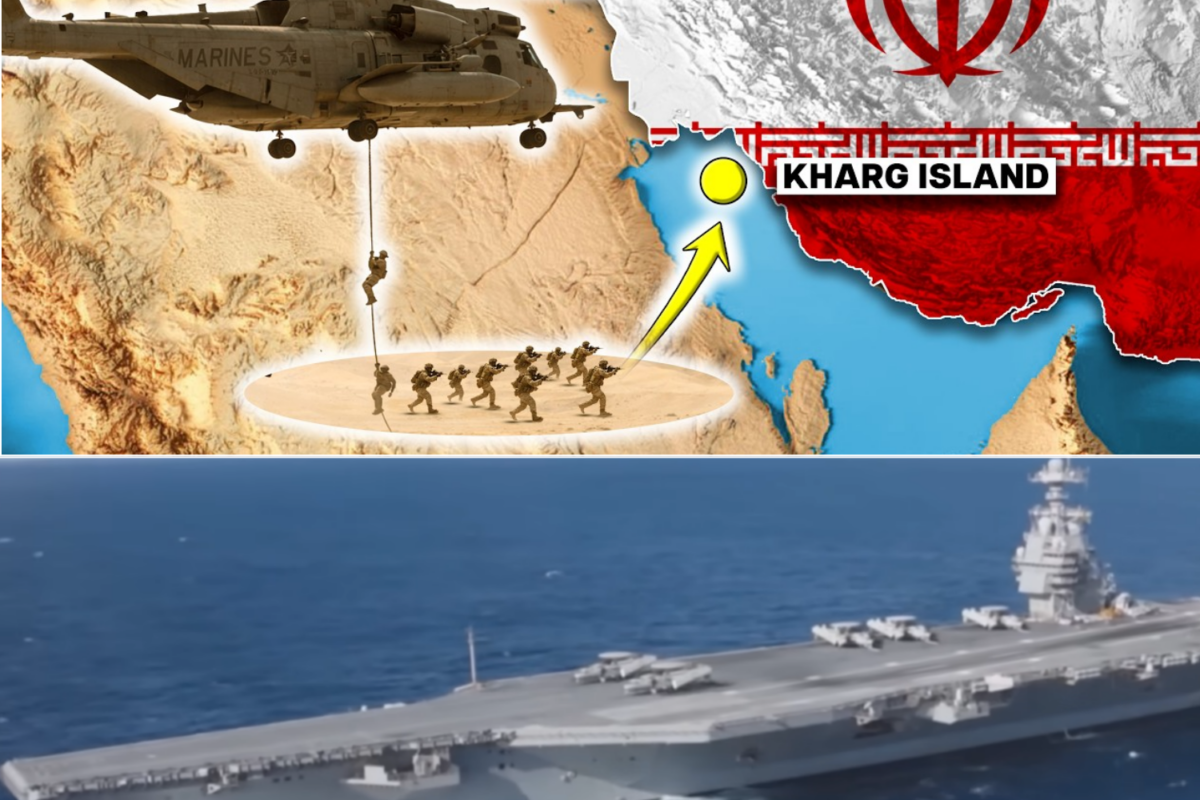
Iran Hit Aramco — Then US Marines Crossed the Line Nobody Expected
Target: Kharg Island—Inside the Plan to Seize the Islamic Republic’s Financial Heart PERSIAN GULF — The silence of the dawn over the northern Persian Gulf was not broken by waves,…
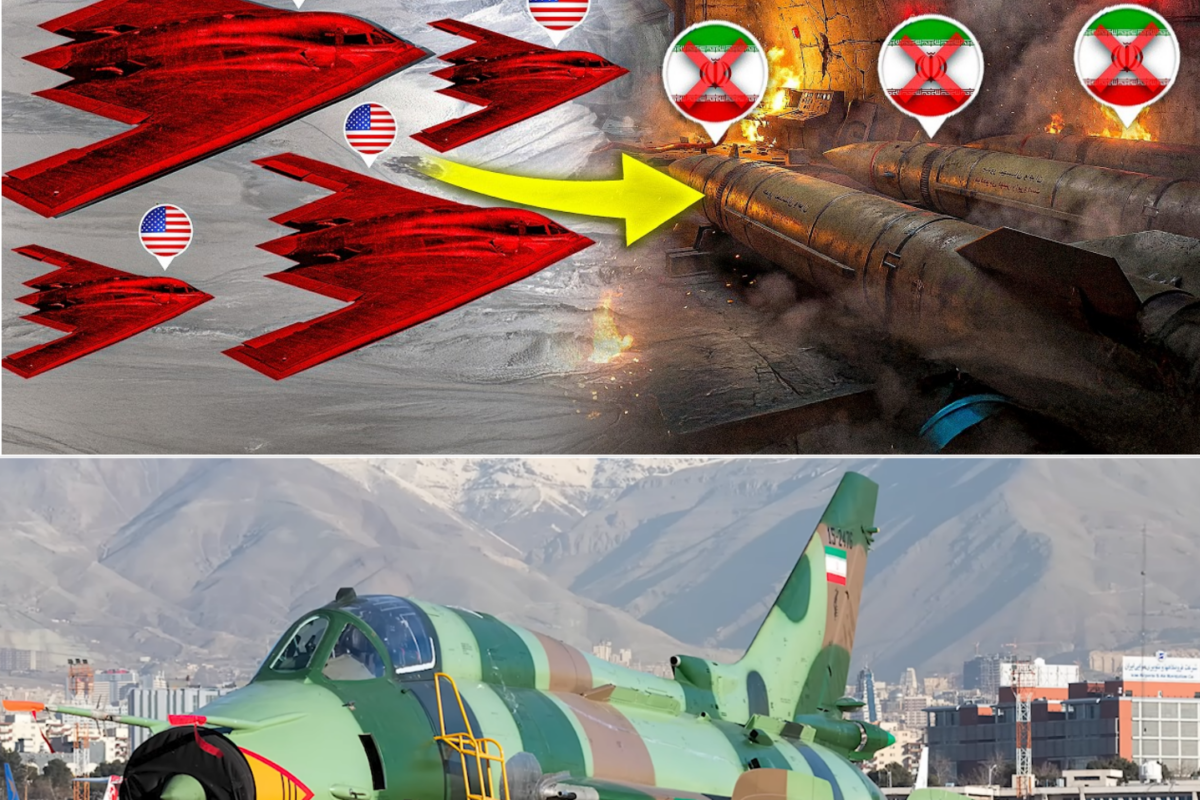
US B-2 Bomber Drops 30,000lb Bunker Buster on Iran Missiles Factory
The Gavel of God: Inside the B-2 Stealth Missions Dismantling the Iranian Regime TEHRAN — The sky over the Alborz Mountains did not scream; it simply vanished. In the early…
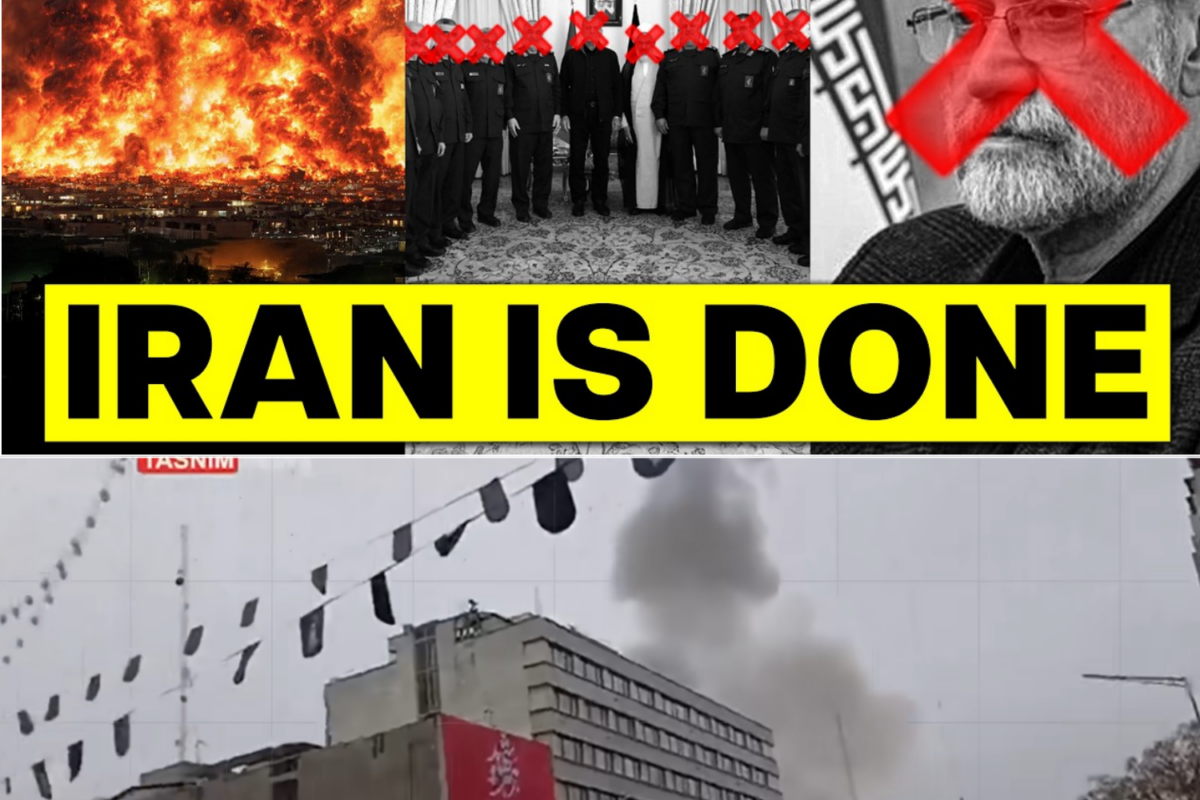
Israel Just Did Something so OUT OF THIS WORLD… Iran’s Entire Leadership EVAPORATED
The Shadow Leader’s Final Rally: Inside the High-Stakes Assassination of Ali Larijani TEHRAN — For a man who lived in the shadows of the Islamic Republic, Ali Larijani’s end was…
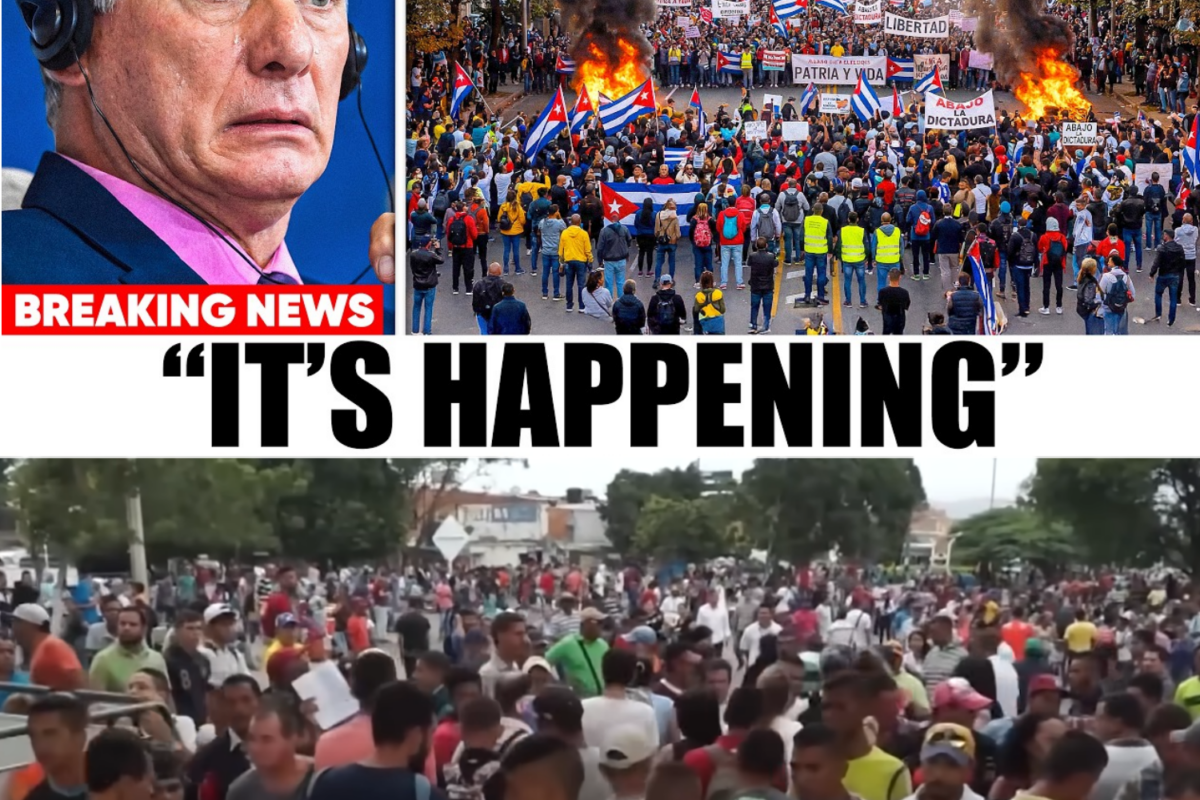
Cuba Regime COLLAPSES: Protesters HIT Cuba’s Capital with Surprising CLASH
The Last Blackout: How a Ghost of the Soviet Past and the Fall of a Venezuelan Patron are Ending the Cuban Revolution HAVANA — The revolution is no longer televised….
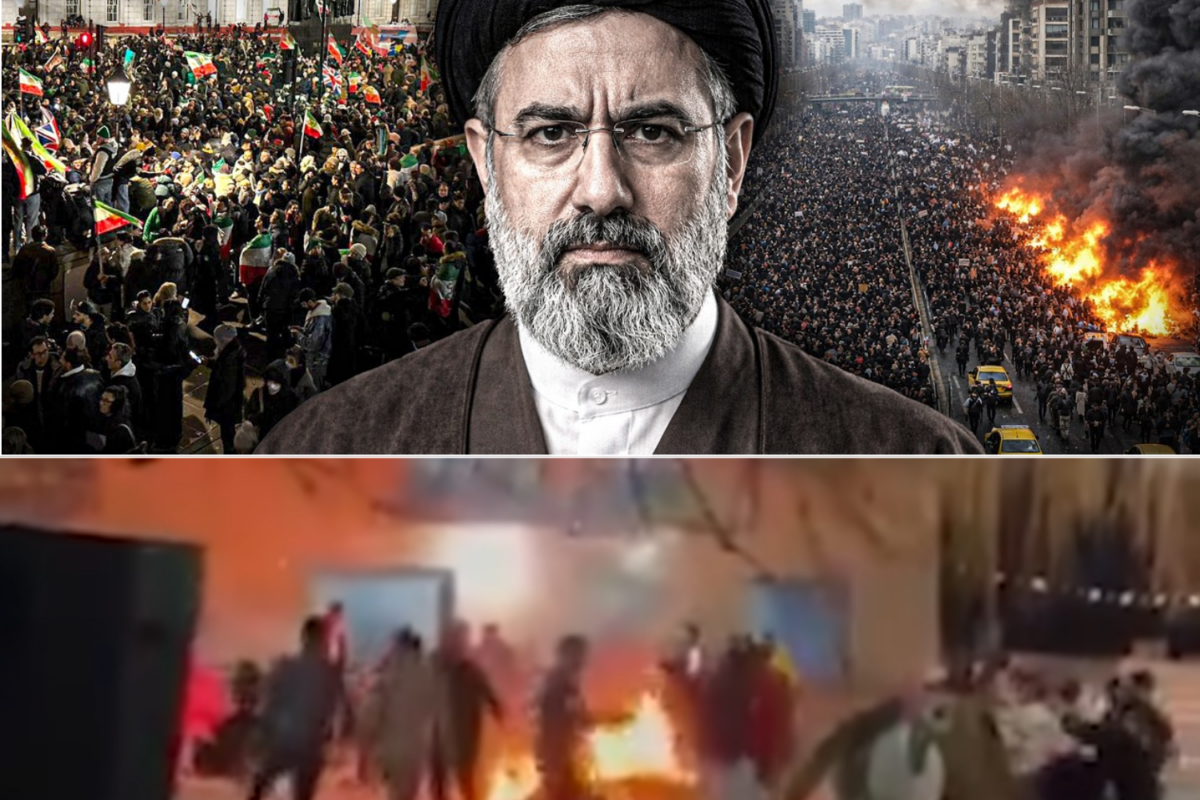
Iran in UTTER PANIC as PROTESTS SWEEP Across ENTIRE NATION
The Fire of Resistance: Inside Iran’s Collapsing Regime and the Fog of War TEHRAN — Under the shroud of a digital iron curtain and the watchful eyes of 300,000 Basij…
End of content
No more pages to load