Something HUMILIATING Just Happened to Iran’s MOST POWERFUL Missile
The 4,000 KM Lie: How Iran’s Hidden Long-Range Arsenal Reshaped the Gulf War
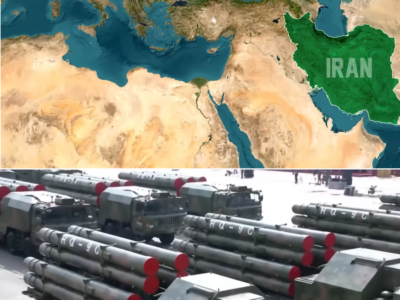
THE INDIAN OCEAN — For years, the Iranian regime clung to a specific, carefully crafted narrative: their missiles were a defensive shield, governed by a religious decree from the Supreme Leader that limited their reach to 2,000 kilometers. It was a “red line” meant to reassure Europe and keep the United States at the negotiating table.
On Day 21 of Operation Epic Fury, that narrative didn’t just crack—it was obliterated.
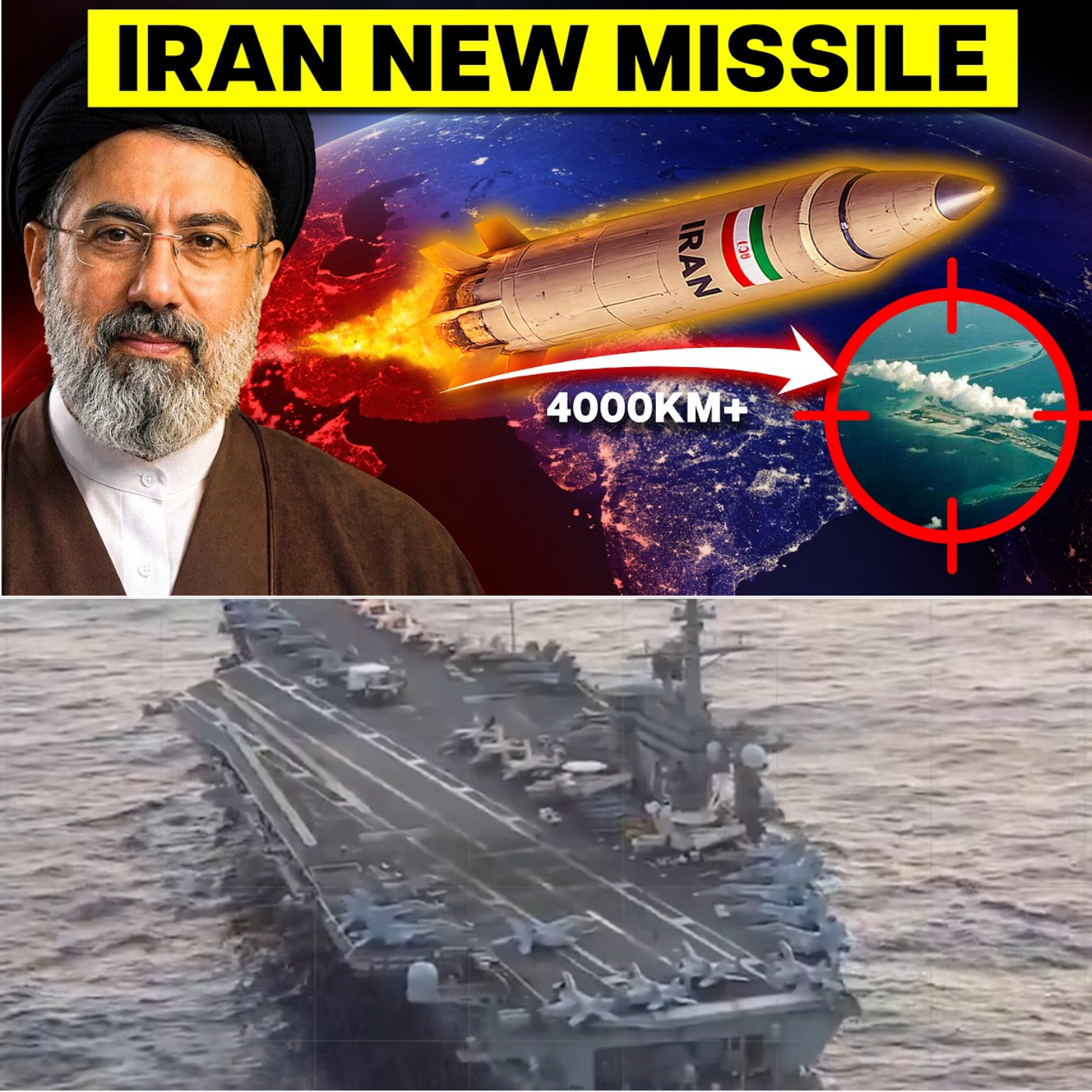
In a shocking escalation that has sent tremors through every capital from Paris to Oslo, Iran launched two intermediate-range ballistic missiles at Diego Garcia, a strategic US-UK base nestled in the heart of the Indian Ocean. The distance from the Iranian coastline? Roughly 4,000 kilometers (2,500 miles).
The math is as simple as it is terrifying: If Tehran can strike a speck of coral in the Indian Ocean, they can strike Berlin, Rome, and Warsaw. The “defensive shield” was a 2,000-kilometer lie, and the world is now waking up to the reality of an Iran with a global reach.
The Diego Garcia Incident: A Failed Strike with Massive Consequences
According to reports first surfacing in the Wall Street Journal, the attack on Diego Garcia was intended to be a knockout blow to a critical logistical hub.
The Flight Path: The missiles traveled twice the distance Iran had publicly admitted to possessing just three weeks prior.
The Result: One missile suffered a catastrophic mid-flight failure; the second was reportedly intercepted by the “integrated air defense umbrella” now covering the region. No casualties were reported, but the strategic intent was undeniable.
“This wasn’t just a missed shot,” says one senior defense analyst. “This was a reveal. Iran spent a decade negotiating in bad faith, hiding an arsenal that places the entirety of Europe within its crosshairs.”
The “Neutrality” Trap: Why Iran is Attacking Its Own Customers
Perhaps the most baffling element of this month-long conflict is Tehran’s decision to target neutral neighbors. In a move that mirrors Germany’s 1914 invasion of neutral Belgium, Iran has begun a campaign of what many are calling “state-sponsored regional terrorism.”
The Qatar-Israel Parallel
In a logic-defying retaliation last week, after Israel struck an Iranian gas field, Iran responded by bombing a gas field belonging to Qatar.
“Qatar and Israel are not allies in any sense of the word,” notes a diplomatic correspondent in Riyadh. “By hitting Qatari infrastructure, Iran isn’t retaliating against an enemy; they are lashing out at a neutral neighbor simply to ensure the entire region feels the pain.”
This erratic behavior has backfired spectacularly. For the first time in history, 22 countries—including the UAE and Bahrain—have issued a coordinated condemnation of Iranian aggression. Even more significant: Saudi Arabia has officially opened its airbases to U.S. strike aircraft, a move they had resisted for the first three weeks of the war.
The British Pivot: Opening the Gates to the Mainland
The strike on Diego Garcia—which the British Ministry of Defense (MOD) clarifies actually took place before the UK’s recent policy shift—was likely the catalyst for London’s massive decision yesterday.
The United Kingdom has now officially authorized the United States to use British bases for offensive strikes against Iranian soil. This allows the U.S. to utilize the “Unsinkable Aircraft Carrier” of Diego Garcia and RAF Akrotiri to hunt down Iran’s remaining mobile missile launchers and coastal batteries. Iranian aggression is effectively recruiting its own enemies.
A $14 Billion Paradox: Funding the War Against Yourself?
While the military campaign intensifies, the diplomatic and economic front has produced a head-scratching development from Washington. Treasury Secretary Scott Bassent announced a temporary lifting of sanctions on Iranian oil already at sea to stabilize a volatile global market.
The Math of Conflict
The Revenue: Critics and reports from Axios suggest this move could grant the Iranian regime access to $14 billion in revenue.
The Historical First: This marks the first time the U.S. has purchased Iranian oil since 1996.
“The logic is fragile at best,” says an economic strategist. “The administration claims the money will be hard for Tehran to access, but $14 billion is a massive lifeline for a regime whose navy has been reduced to driftwood. We are essentially funding the missiles being fired at our own bases.”
Admiral Cooper’s Assessment: “The Largest Naval Elimination Since WWII”
On Day 22 of the conflict, Admiral Brad Cooper, Commander of US Central Command, delivered a blistering operational update on Operation Epic Fury. The numbers paint a picture of a military power being systematically dismantled.
8,000 Strikes and a Vanished Navy
According to Admiral Cooper, the U.S. has achieved total air superiority, flying over 8,000 combat sorties. The results are staggering:
The Navy is Gone: 130 Iranian vessels have been destroyed. Cooper called it the “largest elimination of a navy over a three-week period since World War II.”
The Grid is Silent: Iranian tactical fighters are no longer flying, and their ability to launch massive drone swarms has been “degraded to a crawl.”
The Longest Strike: The US Army recently completed the longest field artillery strike in combat history using Precision Strike Missiles (PrSM) to vaporize inland infrastructure.
The Coastline Clearance
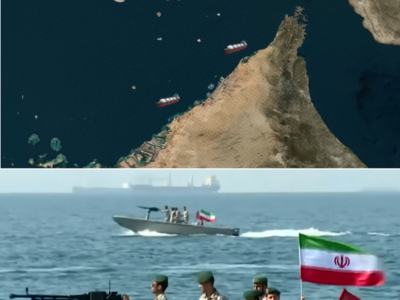
Earlier this week, U.S. forces dropped multiple 5,000lb “Advanced 5K” bunker busters on a hardened underground facility along the Iranian coast. This site wasn’t just a bunker; it was a “discreet storage” hub for the anti-ship missiles that had been strangling the Strait of Hormuz.
“We took out the facility, the radar relays, and the intelligence support sites,” Cooper stated. “Iran’s ability to threaten the free flow of commerce is effectively being erased.”
Conclusion: The New Map of the Middle East
The revelation of Iran’s 4,000km missile capability has changed the “justification” of this war for the West. It is no longer just about the Strait of Hormuz; it is about the security of the European continent.
As Saudi Arabia opens its bases and the UK authorizes offensive strikes, the “Integrated Air Defense Umbrella” is proving to be the most successful military architecture of the decade. Iran’s gamble on “bad faith” negotiations and hidden ranges has left them isolated, their navy destroyed, and their neighbors united in a way no one thought possible in 2026.
Admiral Cooper’s final orders to the 50,000 American servicemen and women remain the guiding light of the campaign: “Be relentlessly lethal. We have the momentum.”
News
Iran Hit Qatar — Then Qatari Jets Crossed the Line Nobody Expected
The Bottom of the Sea: Inside the Great Iranian Blunder and the Coalition Rising to Meet It THE PERSIAN GULF — In the annals of military history, there are moments…
China’s Military Just Got a BRUTAL Wake-Up Call From Iran… Xi Didn’t Expect This
The Paper Dragon’s Collapse: How Three Wars in Nine Months Shattered the Myth of Chinese Weaponry TEHRAN — For twenty years, Beijing’s sales pitch to the world was as polished…
Something BIG Just SNAPPED in ENTIRE World’s Economy… TOTAL Chaos Erupts
The Petro-Paradox: Why the World’s Largest Oil Producer is Still Vulnerable to a Global Inferno HOUSTON — In the shimmering heat of the Permian Basin, the pumps never stop. They…
Saudi Did Something to END Iran’s TERROR… Even the U.S. Didn’t Expect This
The Saltwater Ultimatum: Inside the 48-Hour Countdown to a Regional Blackout THE PERSIAN GULF — The silence of the desert has been replaced by the low, rhythmic hum of American…

Iran Challenged Saudi Jets… Now Tehran Has ORDERED A Retreat
The Treasury Threat and the 48-Hour Ultimatum: Inside the Chaos of the 2026 Gulf War WASHINGTON — In a world already reeling from high-altitude bunker busters and the assassination of…
U.S. Just Discovered Iran’s BIGGEST Underground Secret… Then the B-2 BOMBER Did THIS…
Under the Mountain: Inside the High-Stakes Air War Decimating Iran’s “Missile Cities” THE PERSIAN GULF — On the night of March 17, 2026, the southern coastline of Iran didn’t just…
End of content
No more pages to load