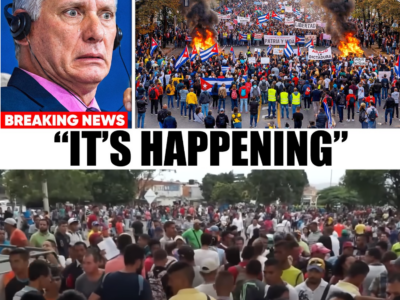
Cuba Regime COLLAPSES: Protesters HIT Cuba’s Capital with Surprising CLASH
The Last Blackout: How a Ghost of the Soviet Past and the Fall of a Venezuelan Patron are Ending the Cuban Revolution
HAVANA — The revolution is no longer televised. In Cuba, it is happening in the dark, punctuated only by the orange glow of burning furniture and the rhythmic, desperate banging of empty pots.
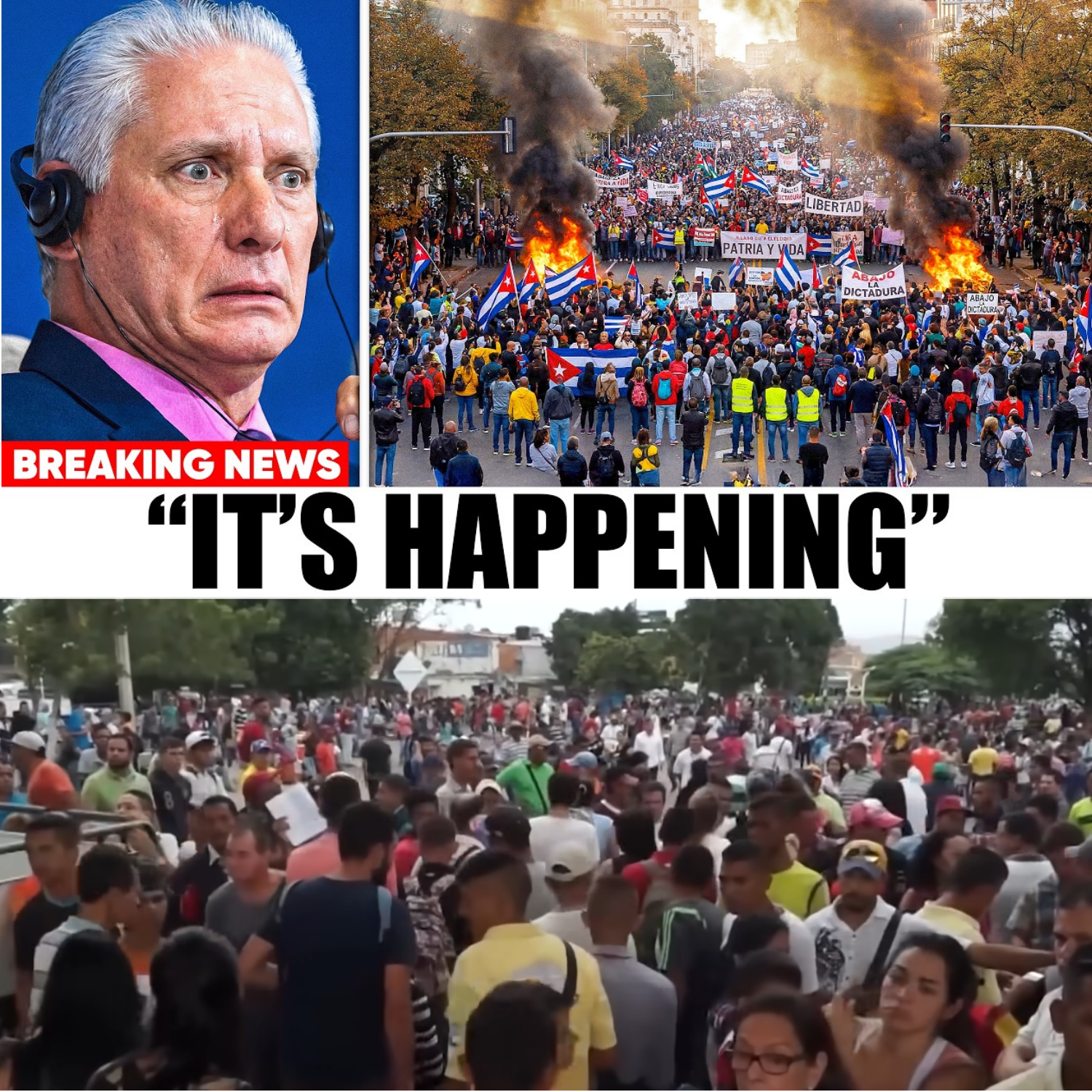
For eleven consecutive days, the Caribbean’s largest island has descended into a state of kinetic chaos that local authorities can no longer ignore—or suppress. This isn’t the romanticized dissent of the past. In cities across the island, protesters have stormed Communist Party headquarters, dragging the symbols of their government into the streets to be incinerated.
Perhaps most telling is the reaction of the security forces: they are standing still. The same regime that handed out 22-year sentences for mere chanting in 2021 now watches its own offices burn, seemingly paralyzed by the sheer ubiquity of the rage.
The Day the Lights Went Out for Good
The current spiral began on March 4, 2026, when a boiler at the Antonio Guiteras thermoelectric plant in Matanzas failed. It was a mechanical heart attack that triggered a total systemic collapse. Within hours, 80% of the island—roughly 7 million people—was plunged into a darkness that has yet to truly lift.
But as any engineer in Havana will tell you, the boiler didn’t cause this crisis; it merely exposed the rot. Cuba is currently entering its third week without reliable electricity.
Hospitals: Surgeons are operating by the light of dwindling backup generators.
Food: Bakeries have reverted to 19th-century methods, firing wood ovens because the gas lines have run dry.
Water: Without electric pumps, the faucets in high-rise apartments have turned into silent monuments to a failing state.
To understand why a single boiler could bring a nation to its knees, one must look at a “suicide pact” signed a quarter-century ago by two now-dead dictators.
The Soviet Subsidy with an Island Attached
Since the 1959 Revolution, the Cuban economy has never truly been independent. It was always a parasite in search of a host.
For thirty years, that host was the Soviet Union. Moscow bought Cuban sugar at four times the market rate and provided billions in cheap oil. At its peak, Soviet subsidies accounted for 21% of Cuba’s GNP. When the USSR collapsed in 1991, Cuba entered the “Special Period”—a time of literal famine where the average citizen lost 20 pounds.
The regime survived by the skin of its teeth, only to find a second “Soviet Union” in the form of a former Venezuelan paratrooper named Hugo Chávez.
The Oil-for-Doctors Pact: A Fragile Lifeline
In 1998, Fidel Castro recognized in Chávez a true believer with the one thing Cuba lacked: an ocean of oil. The two struck one of history’s strangest bargains.
The Deal: Venezuela sent 90,000 to 100,000 barrels of oil per day to Cuba at a massive discount.
The Payment: Cuba didn’t send cash. It sent people—30,000 doctors, teachers, and, more importantly, intelligence advisors to help Chávez build a surveillance state.
This “lifeline” allowed the Cuban Communist Party to ignore the fundamental cracks in its own infrastructure. Why modernize your power plants when your “brother in the revolution” is giving you free fuel?
The Maduro Collapse and the Great Fuel Betrayal
The foundation began to crumble when Chávez died in 2013. His successor, Nicolás Maduro, inherited a country that had traded its future for political patronage. As Venezuelan oil production plummeted by 75%, the shipments to Havana began to dry up.
By the mid-2020s, Cuba was desperate. But while the Cuban people sat in 50-hour blackouts, a shocking U.S. government analysis shared with El Nuevo Herald revealed a darker truth:
Between 2024 and 2025, the Cuban regime was receiving 70,000 barrels of oil a day from Venezuela, but it was secretly reselling 60% of it (roughly 40,000 barrels) to Asian buyers for hard currency.
The government was literally selling its people’s light and heat to line its own pockets.
The January 3rd Raid: The Smoking Gun
The final blow to the myth of Cuban “sovereignty” came on January 3, 2026, when U.S. forces captured Nicolás Maduro in Caracas.
The following day, Cuba’s state newspaper published a list of 32 citizens killed during the operation. They weren’t doctors. They were high-ranking officers of the Revolutionary Armed Forces and agents from the Ministry of the Interior. These men were Maduro’s inner-circle security—proving that the Cuban regime wasn’t just a partner to Venezuela, but its praetorian guard.
Executive Order 14380: The Final Blockade
On January 29, 2026, President Donald Trump signed Executive Order 14380, authorizing crushing tariffs on any country supplying oil to Cuba.
Mexico suspended shipments.
Russia couldn’t absorb the risk.
Algeria pulled back. The fuel supply to the island went to essentially zero.
The Rubio Doctrine: No Easy Exit for Díaz-Canel
Faced with total collapse, President Miguel Díaz-Canel took to national television on March 13th to confirm that Havana has opened diplomatic talks with Washington.
The man handling the negotiations on the American side? Senator Marco Rubio, the son of Cuban immigrants who has spent his career fighting for the end of the Castro-Díaz-Canel dynasty.
Rumors are swirling that the Trump administration’s price for ending the “energy blockade” is nothing less than Díaz-Canel’s resignation. A White House official was blunt: “Cuba is a failing nation. A deal will be made easily.”
A Nation Without an Opposition
The tragedy of the Cuban situation is that unlike Venezuela, which had recognizable opposition leaders and elections (however flawed), Cuba has no institutional alternative. There is no “President-in-waiting.” There is only the street.
The protests that began on March 7th are different. They are simultaneous. They are across Havana, Matanzas, and Santiago de Cuba. And they are no longer asking for “Bread and Power.” They are burning the offices of the only party they have ever known.
What Happens Next?
The regime is currently releasing political prisoners as a “goodwill gesture,” but the streets are not pacified. As the backup generators at the hospitals run out of fuel and the wood-fired bakeries run out of flour, the Communist Party of Cuba faces a choice:
Negotiate a graceful exit with a U.S. administration that is in no mood for mercy.
Wait for the fire to jump from the furniture in the street to the palace itself.
News
Israel Just Did Something so OUT OF THIS WORLD… Iran’s Entire Leadership EVAPORATED
The Shadow Leader’s Final Rally: Inside the High-Stakes Assassination of Ali Larijani TEHRAN — For a man who lived in the shadows of the Islamic Republic, Ali Larijani’s end was…
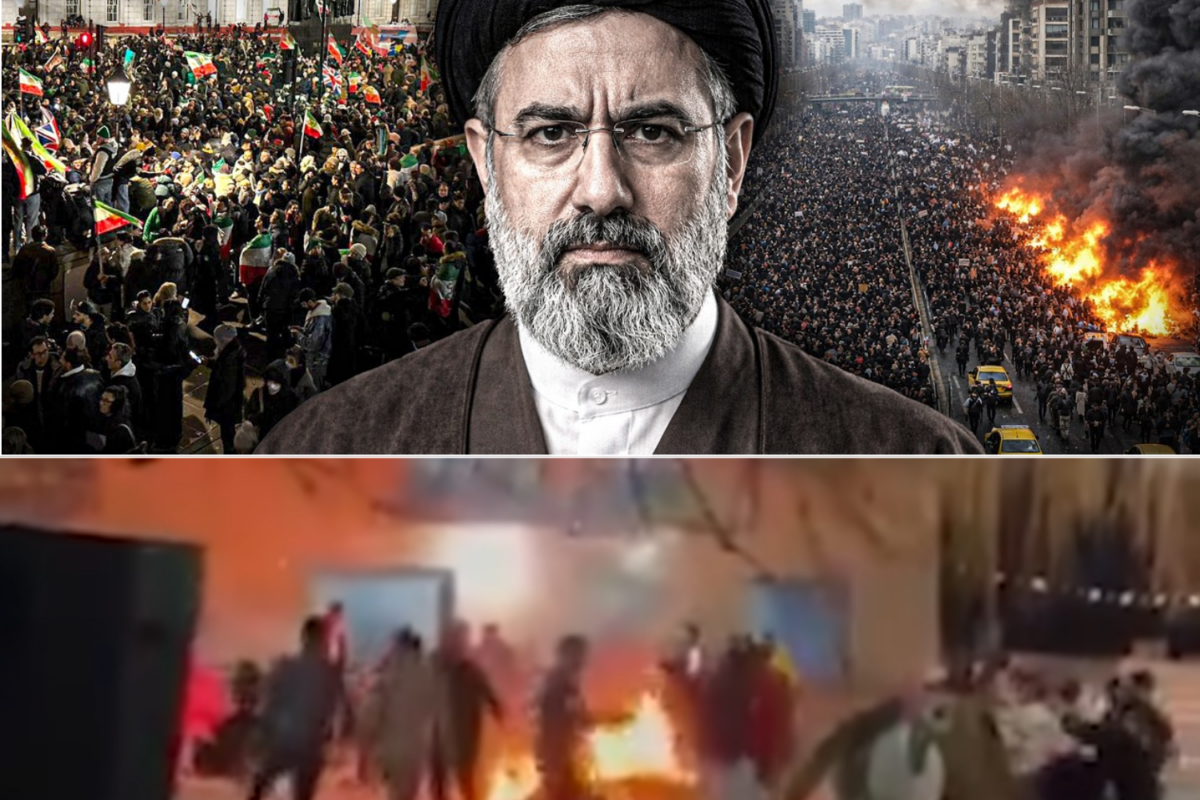
Iran in UTTER PANIC as PROTESTS SWEEP Across ENTIRE NATION
The Fire of Resistance: Inside Iran’s Collapsing Regime and the Fog of War TEHRAN — Under the shroud of a digital iron curtain and the watchful eyes of 300,000 Basij…
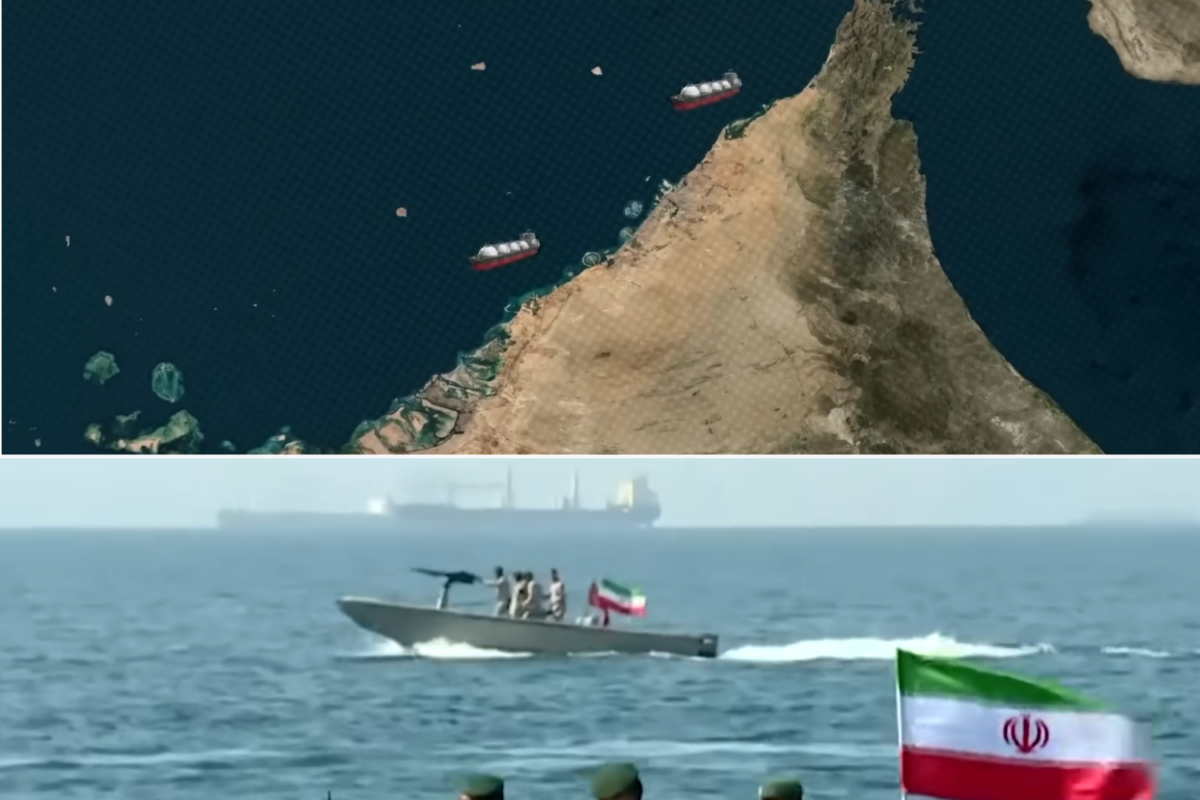
Iran Hit Qatar — Then Qatari Jets Crossed the Line Nobody Expected
The Bottom of the Sea: Inside the Great Iranian Blunder and the Coalition Rising to Meet It THE PERSIAN GULF — In the annals of military history, there are moments…
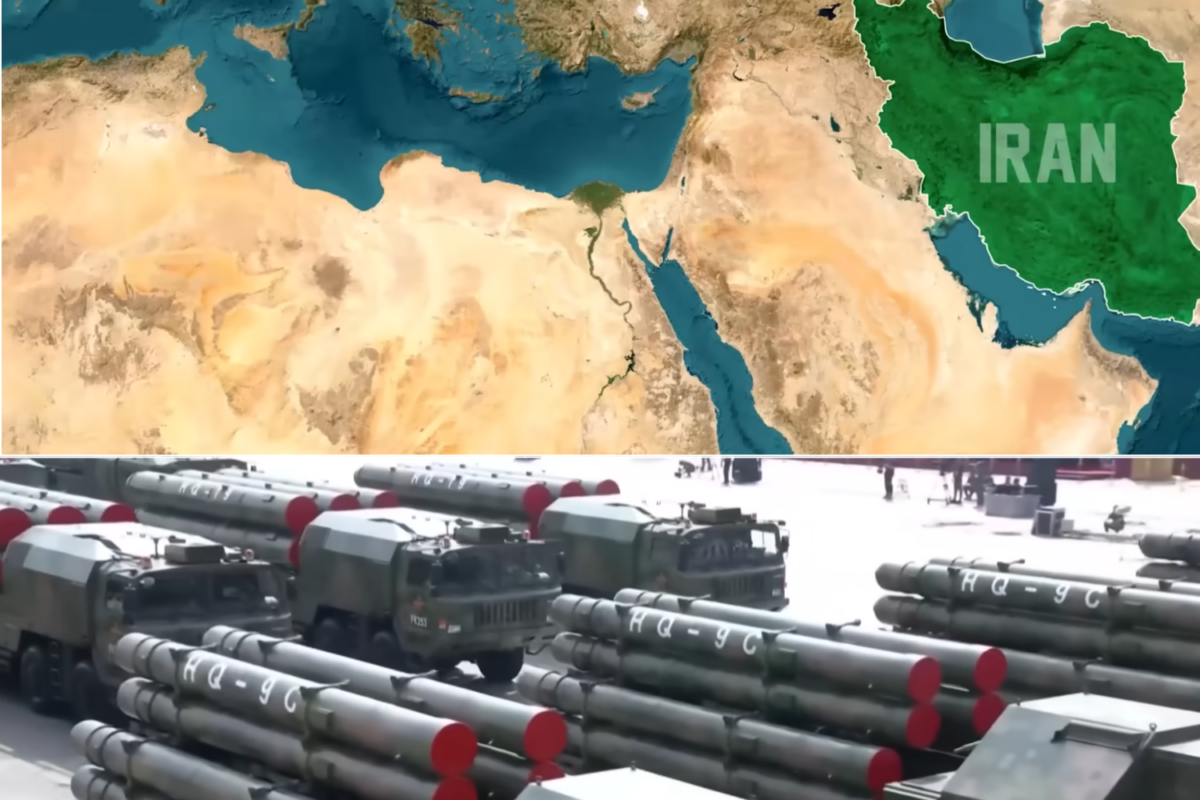
China’s Military Just Got a BRUTAL Wake-Up Call From Iran… Xi Didn’t Expect This
The Paper Dragon’s Collapse: How Three Wars in Nine Months Shattered the Myth of Chinese Weaponry TEHRAN — For twenty years, Beijing’s sales pitch to the world was as polished…
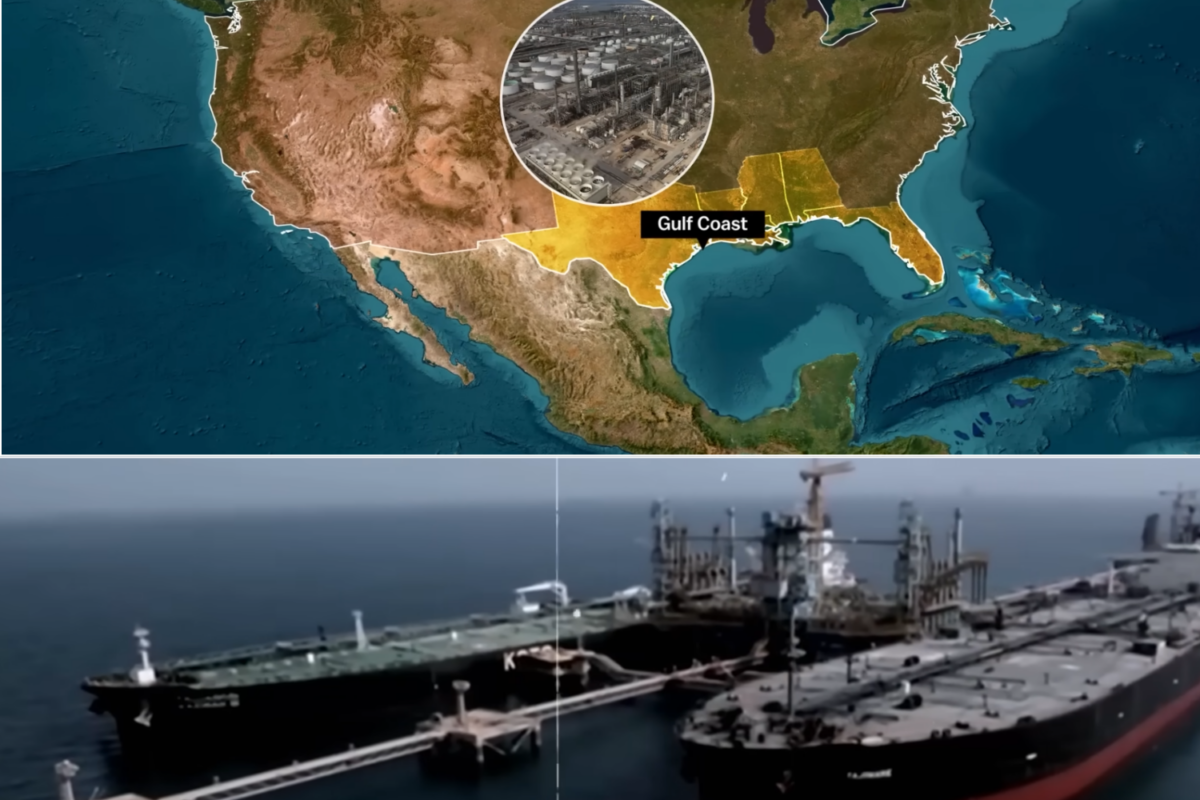
Something BIG Just SNAPPED in ENTIRE World’s Economy… TOTAL Chaos Erupts
The Petro-Paradox: Why the World’s Largest Oil Producer is Still Vulnerable to a Global Inferno HOUSTON — In the shimmering heat of the Permian Basin, the pumps never stop. They…
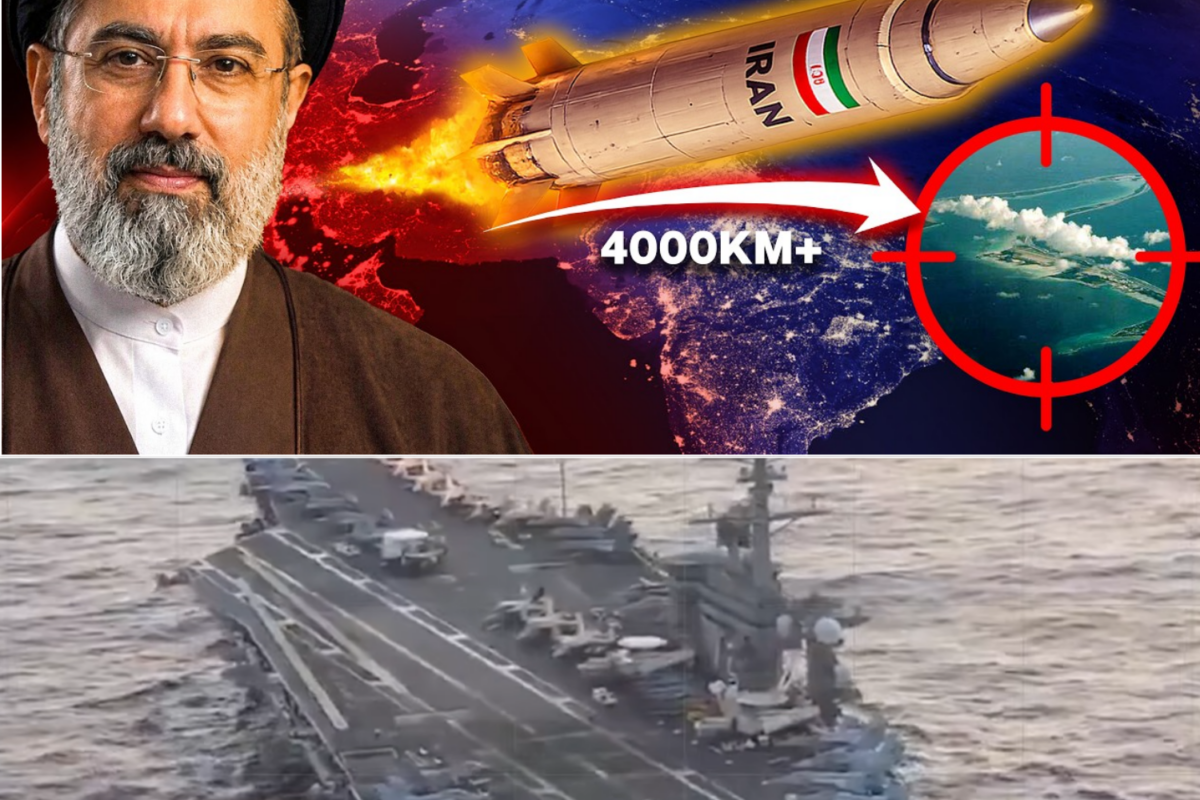
Something HUMILIATING Just Happened to Iran’s MOST POWERFUL Missile
The 4,000 KM Lie: How Iran’s Hidden Long-Range Arsenal Reshaped the Gulf War THE INDIAN OCEAN — For years, the Iranian regime clung to a specific, carefully crafted narrative: their…
End of content
No more pages to load