Part 2 – My Wife Was Using “Client Meetings” to Cheat on Me in a Secret Apartment
My Wife Was Using “Client Meetings” to Cheat on Me in a Secret Apartment
Derek never imagined that the worst day of his life would come wrapped in an envelope. As he stood on the porch, staring at the woman who had unexpectedly shown up, everything he thought he knew about his marriage, his life, and his future came crashing down. Paige Donnelly, a woman who had the look of someone who’d been running on coffee, no sleep, and rage for too long, stood there, clutching a folder in her hand. Her voice trembled as she spoke, but there was no mistaking the certainty in her words.
“Your wife is sleeping with my husband,” she said flatly, holding up the envelope like she had already known that no amount of pleading could undo the damage her words had caused. Derek didn’t respond at first, his mind reeling, as she stepped past him into his house, placing the envelope on the table.
It didn’t take long for Derek to understand the gravity of what was happening. Paige wasn’t here to seek comfort or to cry on his shoulder. She was here with cold, hard proof. Inside the envelope were photos—photos of his wife, Danica, leaving her office and getting into a man’s BMW. The timestamps printed along the bottom showed that these meetings, these encounters, had been happening regularly—every Monday and Wednesday, right in the middle of the day. The photos, each more damning than the last, revealed an affair that had been building for months, hidden under a veil of lies and careful explanations.
Derek just sat there, staring at the images. Every excuse Danica had given him over the months—late meetings, urgent cases, a new gym routine—now made sense in a way he had been unwilling to acknowledge. His life, it seemed, had been built on lies, and Paige’s evidence was the harsh, undeniable truth that he had been avoiding for far too long.
Paige continued to speak, detailing how her husband Brent, also a partner at the same law firm as Danica, had been acting strangely. His new passwords, his sudden concern for privacy, the constant “emergencies” that kept him away from home—all signs of an affair. She had hired a private investigator when the clues became too obvious to ignore. The investigator had confirmed her suspicions, and the photo evidence, as well as a timeline of events, painted a picture that Derek was unwilling to see until now.
Every word Paige said lined up with his own experiences. He had known something was off, but like a fool, he had convinced himself that Danica’s explanations were reasonable, that the distance between them was just the stress of work, that everything was normal. He couldn’t help but feel a mix of disbelief and a cold anger rising within him. How had he missed it? How had he let her lie to him so easily? And yet, in the face of the undeniable evidence, the truth was crystal clear.
Paige’s last revelation, however, was the one that shattered whatever remained of his peace. Danica and Brent hadn’t just been having an affair—they were planning a future together. They had been touring apartments, shopping for places to live. This wasn’t a momentary lapse. This was a carefully constructed plan. Danica, the woman who had shared his life for so many years, had been building another life with someone else—without him knowing, without him ever being a part of it.
That night, as Danica returned home and acted as if everything were normal, Derek’s anger wasn’t the immediate reaction. Instead, a cold emptiness settled inside him. Danica, who had once been the love of his life, now seemed like a stranger. He watched her reheated leftovers, poured herself a glass of wine, and began talking about work, as though everything had been fine. Her attempt to drown out any silence with her nervous chatter only made Derek feel more detached from the woman he had once known.
He didn’t call her out. He didn’t accuse her, not yet. Instead, he nodded in the right places, feigning interest in her stories, as though he hadn’t just learned the darkest truth of their relationship. The betrayal she had tried so hard to conceal had now laid itself bare before him, and there was no going back.
That night, after Danica had gone to bed with a headache, Derek stayed up late, combing through their credit card statements. What he found confirmed what he had already suspected—no gym charges in months, only repeated cash withdrawals at strange intervals. It was all part of the facade she had built, and now it was all unraveling.
The next few days were a blur of cold realization. Paige’s texts gave him the details: the apartment, the meetings, the plans Danica and Brent had made for the future. His own wife had been living in a parallel world, one that she had never shared with him. Everything, from the false explanations to the sudden unexplained absences, made sense now. He had been the fool, clinging to a marriage that was built on lies.
The following Wednesday, the day after the confrontation, Derek followed through with the plan Paige had set. He drove to the coffee shop parking lot, meeting her once again. With the photos, the details, and the video footage she had sent him, the confrontation was inevitable. He had never intended for things to end this way. But now, standing there, he could feel the sense of closure settle in, as painful as it was.
He walked into the apartment where Danica and Brent had been hiding their affair, and the scene that greeted him was nothing short of chilling. Danica was there, dressed in the clothes he had seen her wear to work countless times. Brent, standing in the corner, didn’t even try to lie. The truth was now undeniable. The apartment, the lies, the photos—they had all come together in this one moment of clarity.
Danica’s panic was evident. She tried to speak, tried to defend herself, but there was nothing left to say. The words of denial no longer had the power they once did. The truth was in front of them, undeniable. As she broke down, crying, her excuses fell flat. The truth was that she had chosen this path long ago, and now there was nothing left to hide.
Derek, after a long pause, turned and walked out of the apartment. He didn’t need to say anything more. He didn’t need her apologies. He had seen the truth. He had witnessed the unraveling of the life he had once believed in. As he left, he felt a strange sense of relief. He was done with the lies, done with the manipulation. The truth had finally caught up with Danica, and there was no escaping it anymore.
In the days that followed, Derek began the slow process of detaching himself from the remnants of his old life. The divorce papers arrived, and with them, the realization that his life with Danica had been a lie. The house, the memories, the shared future—everything was gone. But Derek wasn’t angry anymore. He had found clarity, and with it, a sense of peace. The process of moving on wasn’t easy, but it was necessary.
Danica, now facing the consequences of her actions, continued to try to reach out to him—through texts, through calls, through her sister. Each message, each plea, was a reminder of the woman she had become. A liar, a manipulator, someone who had betrayed the trust of everyone around her. Derek had heard it all before, and he knew there was nothing left to say. She had chosen this path, and now, she had to live with the consequences.
In the end, it wasn’t the betrayal that hurt the most—it was the realization that the woman he had loved for so long had never been real to him. The truth had come in pieces, and the whole picture had finally been revealed. And while the pain of it all would take time to heal, Derek knew that he was free. The marriage was over, but his life was just beginning.
As the weeks passed after the confrontation, Dorian’s life gradually began to feel more like his own again. He no longer had to wake up each morning wondering if his life would implode. The weight of the betrayal, while still lingering, was no longer suffocating. In its place, there was a new sense of clarity—one that had taken root in the quiet aftermath of the storm. Dorian had learned to rely on himself, not on the image of a perfect life that he had built with Danica, but on the reality of who he was, of who he was becoming.
.
.
.

The divorce process had been swift. There was no drawn-out drama, no long battles over assets. It was as though they both knew what needed to be done. They had both been living separate lives for a long time, even if they hadn’t fully acknowledged it. Danica had chosen her path long before Dorian had discovered the truth, and he had chosen his own path now, one that was defined by his own values, not by the expectations of others.
Dorian focused on rebuilding himself. He spent time with old friends, reconnected with parts of himself he had neglected, and started picking up hobbies he had once enjoyed. It was in these small moments of personal growth that he began to realize the depth of his strength. He had been through the worst, but he had survived. And more than that, he was thriving.
His work at Webroot had been more successful than he could have imagined. The partnerships they had forged in the years since the global sustainability summit had flourished, and their reach had expanded into new markets. But the work that excited him most was the work with the youth leadership initiatives. Webroot’s commitment to mentoring young leaders was more than just an investment in future talent; it was a way of ensuring that the company’s values of sustainability, equity, and responsibility would continue long after the current leadership was gone.
Dorian found himself giving more speeches, sharing his journey and the lessons he had learned along the way. At first, the public had seen him as just another corporate leader—a billionaire who had inherited his wealth—but as his work with Webroot expanded, so did his influence. The story of how he had overcome personal betrayal, redefined his purpose, and used his platform for social good became a message that resonated with people everywhere. It was no longer just about business—it was about the impact that business could have on the world.
Despite the whirlwind of work, Dorian knew he couldn’t keep pushing forward without acknowledging the past. He thought about Danica less and less, but the scars of their relationship remained. He had loved her, truly. He had trusted her, and she had betrayed him. But Dorian was learning that betrayal, while painful, did not define him. His ability to rise above it, to move forward and rebuild, was the true measure of his strength. And it was in this personal growth that he had found peace.
One afternoon, while working on a new project proposal with Leticia, Dorian received a message from Emma, their daughter. It had been a few months since they had spoken in depth, as Emma had been busy working on her own initiatives, expanding Webroot’s mentorship programs across Europe. But Emma’s message carried a sense of urgency.
“Dad, I need to talk to you. I’m coming back to London soon. Can we meet?”
Dorian set the phone down, feeling a wave of curiosity wash over him. Emma had always been the independent one, the young woman who had grown into her own leader, and he knew that if she was reaching out to him now, it was important. He texted her back: “Of course. I’ll make time for you. Let me know when you arrive.”
When Emma arrived, she was a whirlwind of energy, just as Dorian remembered her. She had grown even more confident in her leadership role at Webroot, leading multiple international projects, from clean water initiatives to youth empowerment programs. But as she sat down across from him at their favorite café in London, there was something in her eyes—a sense of frustration, maybe even confusion—that told him this wasn’t just about business.
“What’s on your mind, Emma?” Dorian asked, his voice filled with concern.
Emma sighed, pushing a stray strand of hair behind her ear. “I’ve been thinking a lot lately. About the company, about what we’re doing in the world. It’s been amazing, don’t get me wrong. But I feel like we’re missing something. We’ve created a great network of change-makers, but there’s a gap I can’t ignore. We talk about sustainability and social equity, but we haven’t really addressed the root causes of these problems. We’re building solutions, but we need to make sure those solutions are part of a larger systemic change. If we don’t address the systems of inequality—political, economic, cultural—are we really changing anything?”
Dorian listened carefully, his mind processing Emma’s words. She had always had a sharp mind, but hearing her articulate this new level of understanding made him realize just how far she had come. She was thinking beyond the work they had done. She was thinking about the bigger picture—the societal structures that perpetuated inequality in the first place.
“Emma, that’s a powerful insight,” Dorian said, his voice thoughtful. “You’re right. We’ve been focused on providing solutions, but we haven’t fully tackled the systems that cause these problems. It’s not just about putting solar panels on homes or creating schools in underserved areas. It’s about addressing the power dynamics, the systems of oppression that keep people trapped in poverty, that prevent them from reaching their full potential.”
Leticia, who had been listening quietly, nodded in agreement. “This is exactly what we need to think about. We’ve been addressing the symptoms of the problem, but it’s time we took on the root causes. We need to shift from just providing solutions to actually transforming the systems that create those problems.”
Dorian looked at his wife and daughter, the two most important people in his life. They had always worked together, but now, it felt like the time had come for them to work on something even bigger—a movement that didn’t just focus on individual solutions, but on changing the systems themselves.
The weeks that followed were filled with discussions, brainstorming sessions, and long nights of planning. They began to refine the focus of Webroot‘s mission, aligning their initiatives not just with the practical aspects of sustainability, but with the deeper social and political issues that needed to be addressed. They worked on partnerships with global advocacy groups, governments, and other companies that shared their vision. The new initiative, which they dubbed The Global Transformation Project, was designed to create systemic change through education, policy advocacy, and community-driven solutions.
As the initiative began to take shape, Dorian felt a renewed sense of purpose. This wasn’t just about continuing the work they had started—it was about changing the very systems that had perpetuated inequality and environmental destruction. The future was no longer about maintaining their current success; it was about ensuring that the work they did today would set the stage for a future where true equality, sustainability, and justice could thrive.
One evening, as they sat together in the living room, Dorian looked at Leticia and Emma, a sense of gratitude filling his chest. “We’ve come so far,” he said softly. “But there’s still so much work to do. The road ahead is long, but I believe in what we’re building. I believe in this movement.”
Leticia smiled, her eyes filled with pride. “I believe in us, too. And I believe that we’re just getting started.”
And as they sat there together, Dorian knew that the road ahead wouldn’t be easy. There would be challenges, obstacles, and resistance. But he also knew that with Leticia, Emma, and the team at Webroot by his side, they were ready for whatever came next. The world was changing, and they were leading that change. The legacy they were creating wasn’t just for them—it was for the world, and for the generations to come.
As the weeks passed after the confrontation, Dorian’s life gradually began to feel more like his own again. He no longer had to wake up each morning wondering if his life would implode. The weight of the betrayal, while still lingering, was no longer suffocating. In its place, there was a new sense of clarity—one that had taken root in the quiet aftermath of the storm. Dorian had learned to rely on himself, not on the image of a perfect life that he had built with Danica, but on the reality of who he was, of who he was becoming.
The divorce process had been swift. There was no drawn-out drama, no long battles over assets. It was as though they both knew what needed to be done. They had both been living separate lives for a long time, even if they hadn’t fully acknowledged it. Danica had chosen her path long before Dorian had discovered the truth, and he had chosen his own path now, one that was defined by his own values, not by the expectations of others.
Dorian focused on rebuilding himself. He spent time with old friends, reconnected with parts of himself he had neglected, and started picking up hobbies he had once enjoyed. It was in these small moments of personal growth that he began to realize the depth of his strength. He had been through the worst, but he had survived. And more than that, he was thriving.
His work at Webroot had been more successful than he could have imagined. The partnerships they had forged in the years since the global sustainability summit had flourished, and their reach had expanded into new markets. But the work that excited him most was the work with the youth leadership initiatives. Webroot’s commitment to mentoring young leaders was more than just an investment in future talent; it was a way of ensuring that the company’s values of sustainability, equity, and responsibility would continue long after the current leadership was gone.
Dorian found himself giving more speeches, sharing his journey and the lessons he had learned along the way. At first, the public had seen him as just another corporate leader—a billionaire who had inherited his wealth—but as his work with Webroot expanded, so did his influence. The story of how he had overcome personal betrayal, redefined his purpose, and used his platform for social good became a message that resonated with people everywhere. It was no longer just about business—it was about the impact that business could have on the world.
Despite the whirlwind of work, Dorian knew he couldn’t keep pushing forward without acknowledging the past. He thought about Danica less and less, but the scars of their relationship remained. He had loved her, truly. He had trusted her, and she had betrayed him. But Dorian was learning that betrayal, while painful, did not define him. His ability to rise above it, to move forward and rebuild, was the true measure of his strength. And it was in this personal growth that he had found peace.
One afternoon, while working on a new project proposal with Leticia, Dorian received a message from Emma, their daughter. It had been a few months since they had spoken in depth, as Emma had been busy working on her own initiatives, expanding Webroot’s mentorship programs across Europe. But Emma’s message carried a sense of urgency.
“Dad, I need to talk to you. I’m coming back to London soon. Can we meet?”
Dorian set the phone down, feeling a wave of curiosity wash over him. Emma had always been the independent one, the young woman who had grown into her own leader, and he knew that if she was reaching out to him now, it was important. He texted her back: “Of course. I’ll make time for you. Let me know when you arrive.”
When Emma arrived, she was a whirlwind of energy, just as Dorian remembered her. She had grown even more confident in her leadership role at Webroot, leading multiple international projects, from clean water initiatives to youth empowerment programs. But as she sat down across from him at their favorite café in London, there was something in her eyes—a sense of frustration, maybe even confusion—that told him this wasn’t just about business.
“What’s on your mind, Emma?” Dorian asked, his voice filled with concern.
Emma sighed, pushing a stray strand of hair behind her ear. “I’ve been thinking a lot lately. About the company, about what we’re doing in the world. It’s been amazing, don’t get me wrong. But I feel like we’re missing something. We’ve created a great network of change-makers, but there’s a gap I can’t ignore. We talk about sustainability and social equity, but we haven’t really addressed the root causes of these problems. We’re building solutions, but we need to make sure those solutions are part of a larger systemic change. If we don’t address the systems of inequality—political, economic, cultural—are we really changing anything?”
Dorian listened carefully, his mind processing Emma’s words. She had always had a sharp mind, but hearing her articulate this new level of understanding made him realize just how far she had come. She was thinking beyond the work they had done. She was thinking about the bigger picture—the societal structures that perpetuated inequality in the first place.
“Emma, that’s a powerful insight,” Dorian said, his voice thoughtful. “You’re right. We’ve been focused on providing solutions, but we haven’t fully tackled the systems that cause these problems. It’s not just about putting solar panels on homes or creating schools in underserved areas. It’s about addressing the power dynamics, the systems of oppression that keep people trapped in poverty, that prevent them from reaching their full potential.”
Leticia, who had been listening quietly, nodded in agreement. “This is exactly what we need to think about. We’ve been addressing the symptoms of the problem, but it’s time we took on the root causes. We need to shift from just providing solutions to actually transforming the systems that create those problems.”
Dorian looked at his wife and daughter, the two most important people in his life. They had always worked together, but now, it felt like the time had come for them to work on something even bigger—a movement that didn’t just focus on individual solutions, but on changing the systems themselves.
The weeks that followed were filled with discussions, brainstorming sessions, and long nights of planning. They began to refine the focus of Webroot‘s mission, aligning their initiatives not just with the practical aspects of sustainability, but with the deeper social and political issues that needed to be addressed. They worked on partnerships with global advocacy groups, governments, and other companies that shared their vision. The new initiative, which they dubbed The Global Transformation Project, was designed to create systemic change through education, policy advocacy, and community-driven solutions.
As the initiative began to take shape, Dorian felt a renewed sense of purpose. This wasn’t just about continuing the work they had started—it was about changing the very systems that had perpetuated inequality and environmental destruction. The future was no longer about maintaining their current success; it was about ensuring that the work they did today would set the stage for a future where true equality, sustainability, and justice could thrive.
One evening, as they sat together in the living room, Dorian looked at Leticia and Emma, a sense of gratitude filling his chest. “We’ve come so far,” he said softly. “But there’s still so much work to do. The road ahead is long, but I believe in what we’re building. I believe in this movement.”
Leticia smiled, her eyes filled with pride. “I believe in us, too. And I believe that we’re just getting started.”
And as they sat there together, Dorian knew that the road ahead wouldn’t be easy. There would be challenges, obstacles, and resistance. But he also knew that with Leticia, Emma, and the team at Webroot by his side, they were ready for whatever came next. The world was changing, and they were leading that change. The legacy they were creating wasn’t just for them—it was for the world, and for the generations to come.
News

Part 2 – 3 Years After My Wife’s Passing, I Saw Her at the Market With Another Man — So I Followed
3 Years After My Wife’s Passing, I Saw Her at the Market With Another Man — So I Followed In the wake of his dramatic revelation at the gala, Julian’s…

Part 2 – UNAWARE Her Husband Was The $55B Casino Mogul, She Gave His Wedding Ring To Her Personal Trainer
UNAWARE Her Husband Was The $55B Casino Mogul, She Gave His Wedding Ring To Her Personal Trainer It seems like you’ve uploaded an intriguing and intense story that revolves around…
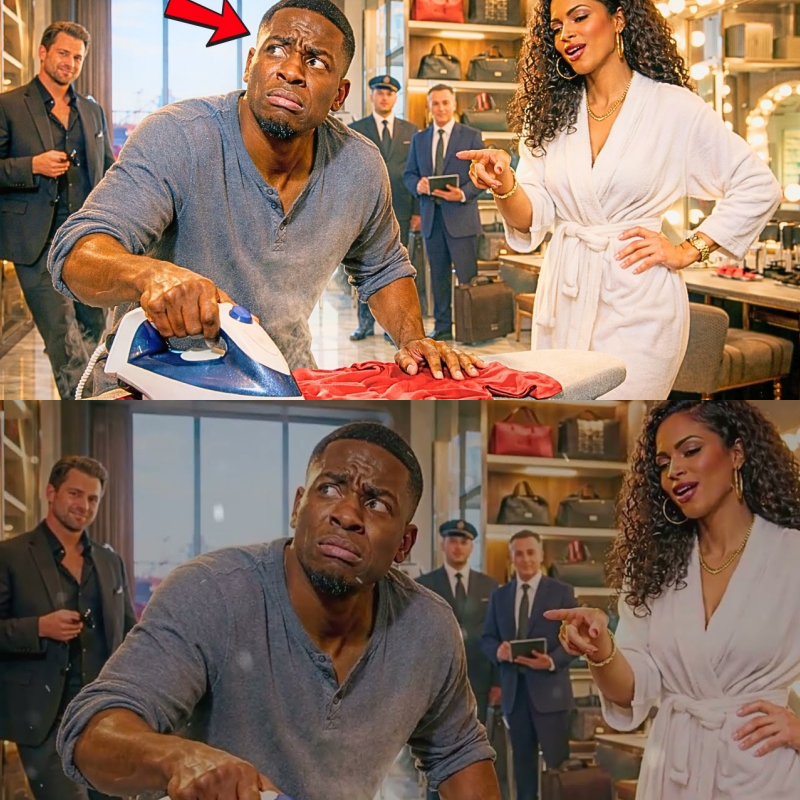
Part 2 – Unaware Her Husband Was The $91B Logistics King, Wife Made Him Iron Her Date Night Dress While She
Unaware Her Husband Was The $91B Logistics King, Wife Made Him Iron Her Date Night Dress While She Elias Vance had always lived his life by a simple rule: observe,…
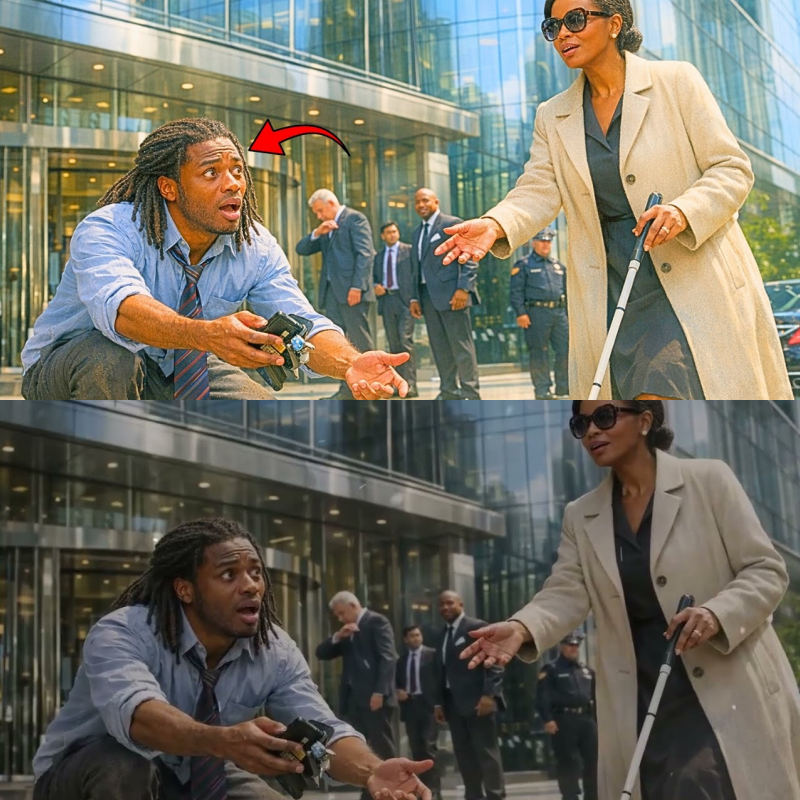
Part 2 – Poor Man Missed His Interview to Help a Blind Woman — Not Knowing She Was the CEO
Poor Man Missed His Interview to Help a Blind Woman — Not Knowing She Was the CEO The weeks following Ethan’s interaction with Marcus Thorne were a whirlwind. The meeting…

Part 2 – I Came Home Early From My Trip and Found My Wife Getting Married to Another Man
I Came Home Early From My Trip and Found My Wife Getting Married to Another Man As the months passed, Elias had shifted from a man caught in the web…

Part 2 – My Wife Threw My Mother Out in the Rain — 2 Hours Later She Discovered Who She Really Was
My Wife Threw My Mother Out in the Rain — 2 Hours Later She Discovered Who She Really Was The air was thick with tension, and Liam felt a strange…
End of content
No more pages to load